Screening of film/video oeuvre 1998–2025
Screenings and talks
Wednesday, 17 December 2025, 8 pm
Slovenian Cinematheque, Miklošičeva cesta 28, Ljubljana
Programme at Slovenian Cinematheque, Vodnikova domačija, and Slovenian Film Database
(December 2025 – June 2026)
17 December / 21 January / 18 February / 24 March / 21 April / 8 May / 10 June
Production: SCCA-Ljubljana and Slovenian Cinematheque
Curators: Vesna Bukovec, Robert Kuret
Programme booklet (in Slovene, pdf)
Catalogue (in Slovene)
- About the programme
- Zone of Transition I: Gorizia / Nova Gorica, 17 December 2025
- Zone of Transition II: Memory / Document, 21 January 2026
- Zone of Transition III: Environment / Territory, 18 February 2026
- Zone of Transition IV: Water Level / Watercourse, 24 March 2026
- Zone of Transition V: Peace / War, 21 April 2026
- Zone of Transition VI: Violence / Compassion, 8 May 2026
- Zone of Transition VII: Departures / Arrivals, 10 June 2026
- Biography
- Photogallery
- Colophone
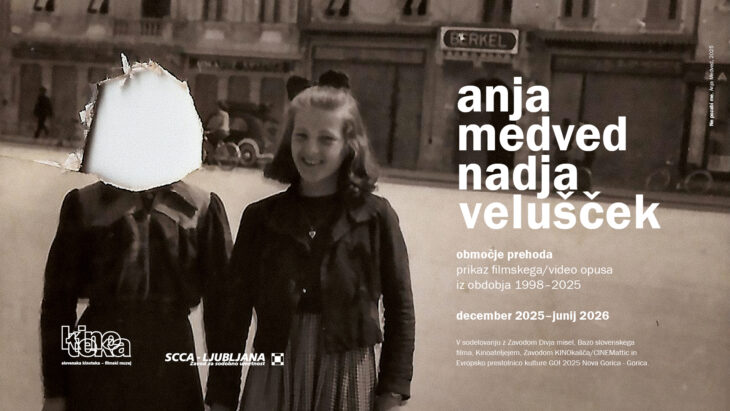
Anja Medved (1969) and Nadja Velušček (1948) are mother and daughter who have been working together as a creative duo since 1998, when they made the short documentary film Cvetoča Brda (Blooming Brda) for RAI television. Their joint creative work began at Kinoatelje in Gorizia, founded in 1977 by sociologist Darko Bratina, for whom film was a means of gaining a deeper understanding of society. Due to the need for cross-border cooperation, the Kinoatelje Institute was also established in 2000 on the Slovenian side in Nadja Velušček’s house in Šmihel. She had been involved in developing the program since the early 1990s, and Anja Medved joined a few years later, after completing her studies in theater and radio directing at AGRFT. In recent years, they have been working within the framework of the KINOkašča/CINEMattic institute based in Šmihel near Nova Gorica, where the renovated attic is becoming a micro cinema. Nadja Velušček usually does fieldwork and conducts interviews with people during film production, while Anja Medved takes over the directing and editing process.
The films of Anja Medved and Nadja Velušček are, according to Andrej Šprah’s classification, mostly compilation documentaries. The structure of their films is rhizomatic and non-hierarchical: the narrative voices multiply to such an extent that the narrative is not “controlled” by a dominant perspective, but rather creates a network of multiple voices that come together in a cubist mosaic: Such polyphony is an authorial strategy that can only be used to delineate the field that these voices traverse, each understanding, appropriating, and using it in their own way and narrating about it—and only in this way can landscape entities such as Nova Gorica, Gorizia, Soča, Goriška Brda, and Benečija speak through their films.
As Anja Medved mentions, this view is a result of living on the border and attempting to give a voice to the border, to the borderline. And as Ervin Hladnik Milharčič notes in Mesto na travniku (Town in a Meadow), there are always at least two truths at the border: Soča is Isonzo, the Miracle at Kobarid is the Disaster at Kobarid, Nova Gorica becomes old Gorizia after crossing the Europe Suare… The border area is therefore, by definition, a place of many voices and thus opens up to history – or microhistory – from a bottom-up perspective. The work of the author duo Velušček-Medved consists of stories and vivid testimonies of ordinary individuals who are not part of grand historical narratives, personalities, events, and textbook facts, but are located in a kind of infraspace beneath the surface of what has become historical Truth through the process of signification.
It is also worth emphasizing the rich use of public and institutional archives, but above all personal and family archives, which are also entering the public space for the first time through filmmaking. At the same time, the creative credo of the duo Velušček-Medved is precisely the creation of archives and testimonies: film, as they say, becomes a by-product of the creation of archives and not the other way around. At the same time, they use various procedures to travel through different uses of archival and video material, including their own, and by duplicating images in different contexts, they make it visible how images are repeatedly appropriated for the purpose of a particular narrative or effect.
Since the Velušček-Medved duo mostly makes medium-length documentary films, we have formed pairs of films to review their creative oeuvre. And because the films are so open and thematically polyphonic due to their fragmentary, essayistic nature, practically every combination activates certain connections. Therefore, we wanted to design the program in such a way that the juxtaposed films would articulate the boundary and the borderline each time anew: as if we were moving from Nova Gorica to old Gorizia, from modernist architecture to the old town center. We looked for connections where this change would be felt primarily in the change of formal structure and film language, so that each film duo would best convey the polyphony so characteristic of every documentary film by Anja Medved and Nadja Velušček.
This May, the Cinematheque program is moving to the Vodnik Homestead (Vodnikova domačija Šiška), where a decade ago, Ljubljana’s testimonies about the period during and after World War II were exhibited in the exhibition Images of Oblivion: Personal Histories of the City of Ljubljana. Part of the program will also be available on the Slovenian Film Database (BSF), where you can view the remaining works of Anja Medved and Nadja Velušček. The review of their oeuvre is part of the traditional collaboration between SCCA-Ljubljana and the Slovenian Cinematheque, where we have previously presented retrospectives of key authors in the field of video: Miha Vipotnik, Ema Kugler, Marko A. Kovačič, Neven Korda, and Nataša Prosenc Stearns.
Robert Kuret
Zone of Transition I: Gorizia / Nova Gorica
Wednesday, 17 December 2025 at 8 pm, Slovenian Cinematheque
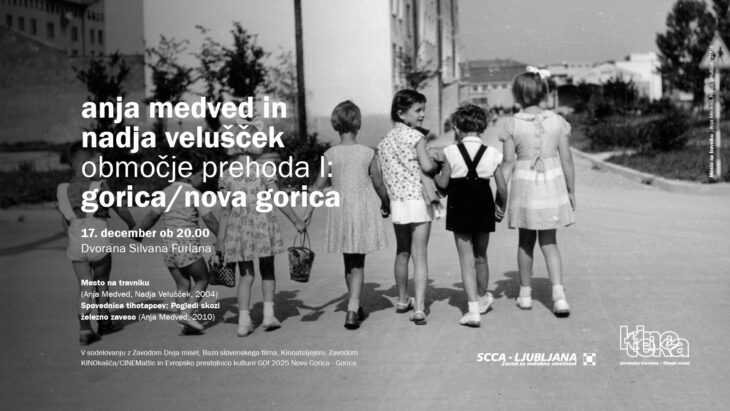
On February 10, 1947, the Paris Peace Treaty was signed between Italy and Yugoslavia, dividing the Gorizia region according to one of four border variants. Shortly thereafter, on April 18, 1947, the Communist Party of Yugoslavia decided to build Nova Gorica. A good half-century later, on the night of April 30 to May 1, 2004, Slovenia officially became a member of the European Union, and the area where the border between old and new Gorica used to be was named Transalpina Square. The barriers were finally removed on December 21, 2007, when Slovenia joined the Schengen area. These are the key dates in the films Town in a Meadow (Mesto na travniku), dedicated to the history of Nova Gorica, and Smuggler’s Confessional: Views through the Iron Curtain (Spovednica tihotapcev: Pogledi skozi železno zaveso), in which people recall memories of a place marked by the border.
The abolition of the border on December 21, 2007, was the occasion for organizing so-called Memory Collection Actions. As part of Kinoatelje, Anja Medved invited people to bring a specific photograph to the border crossing on Erjavčeva Street, where the customs office is located today, and share their memories of the border or smuggling goods across it. By 2018, she had organized five more Memory Collection Actions on various topics. The documentary video essay Town in a Meadow goes even further back in history and explores the creation of Nova Gorica in the middle of nowhere as a major project of the new socialist state. The story of the city has no protagonist, which is also reflected in the structure of the film, in which different voices dynamically multiply and intertwine with archival material.
While in Town in a Meadow the voices of individuals are intertwined with archival material and footage of Gorica, Smuggler’s Confessional, also part of the memory-raising campaign, is the author’s only film that explicitly separates the voices of individuals from archival images: the archival images only appear after the narrative in Carinarnica, thus freeing themselves from the voice that would interpret them, and thus taking on a life of their own, underpinned by the soundscape. They are transformed from illustrative material into a poetic impression.
Robert Kuret
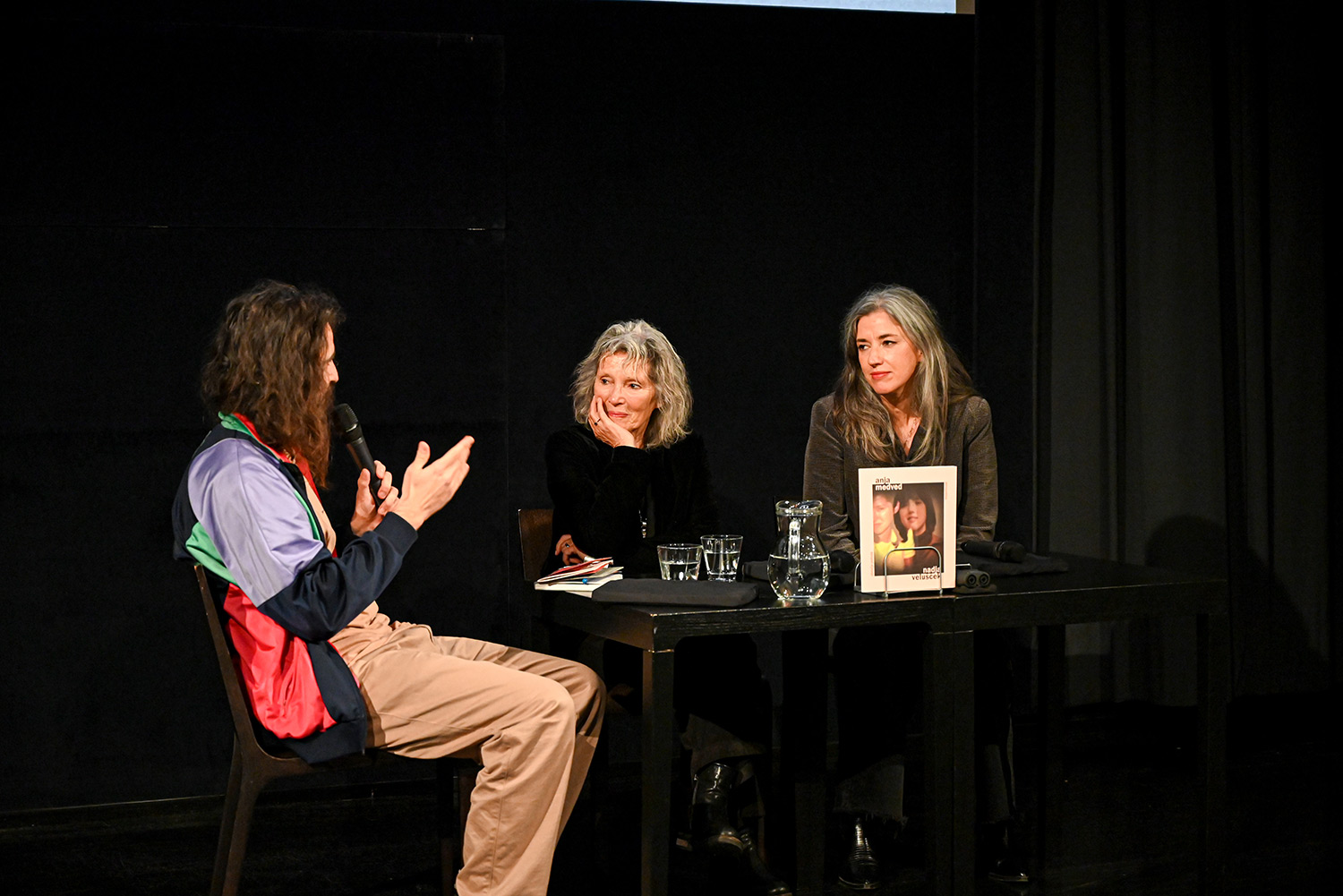
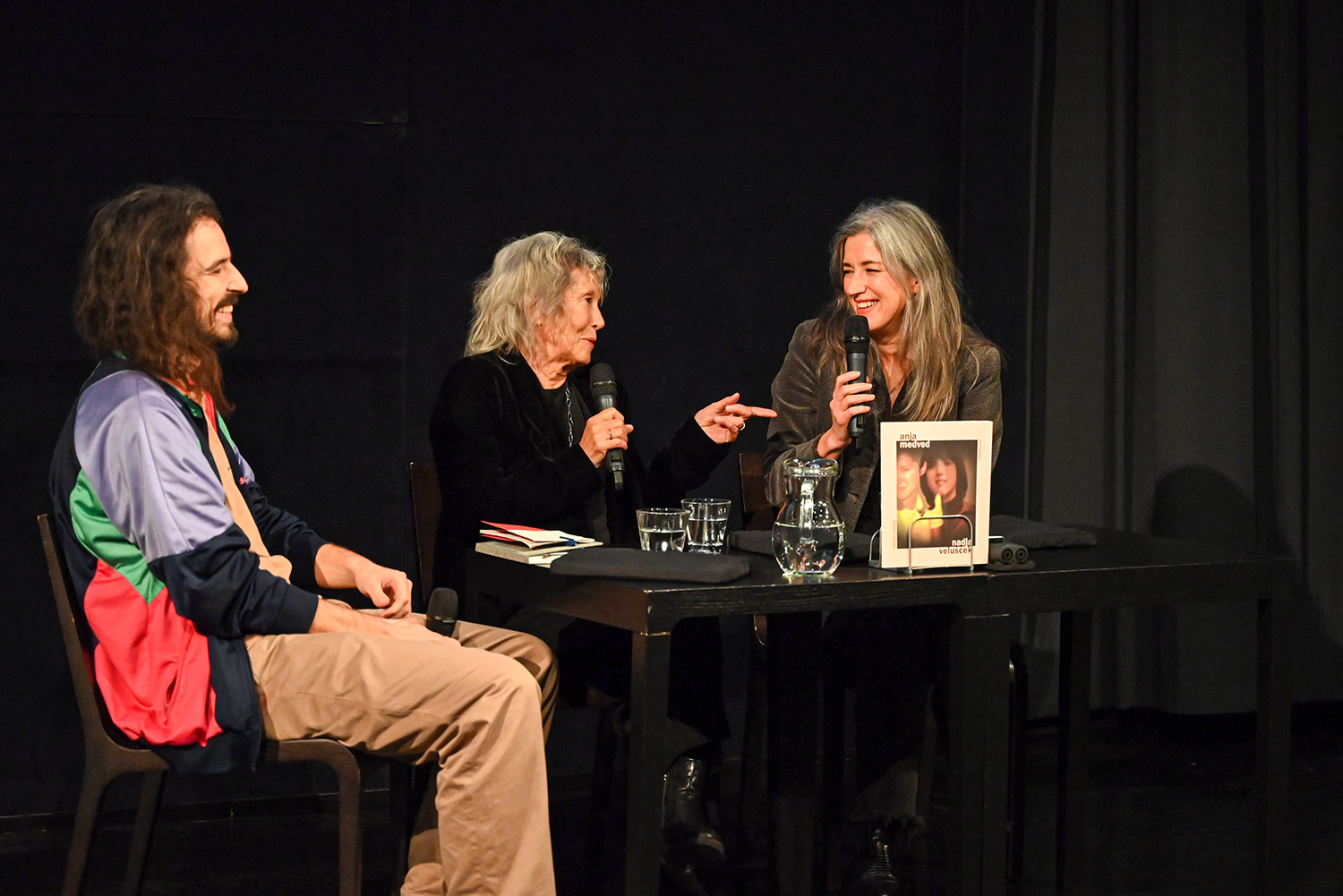
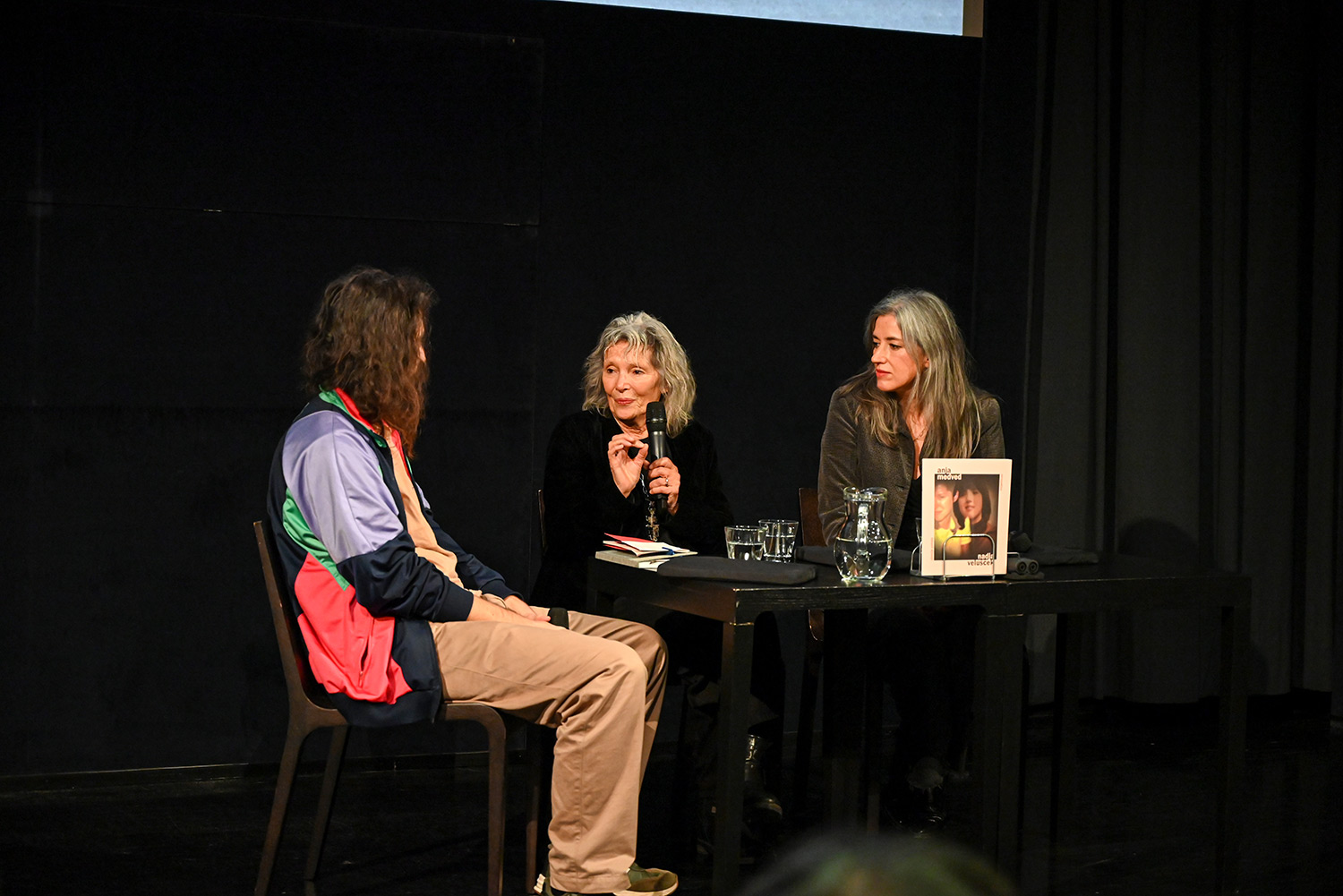
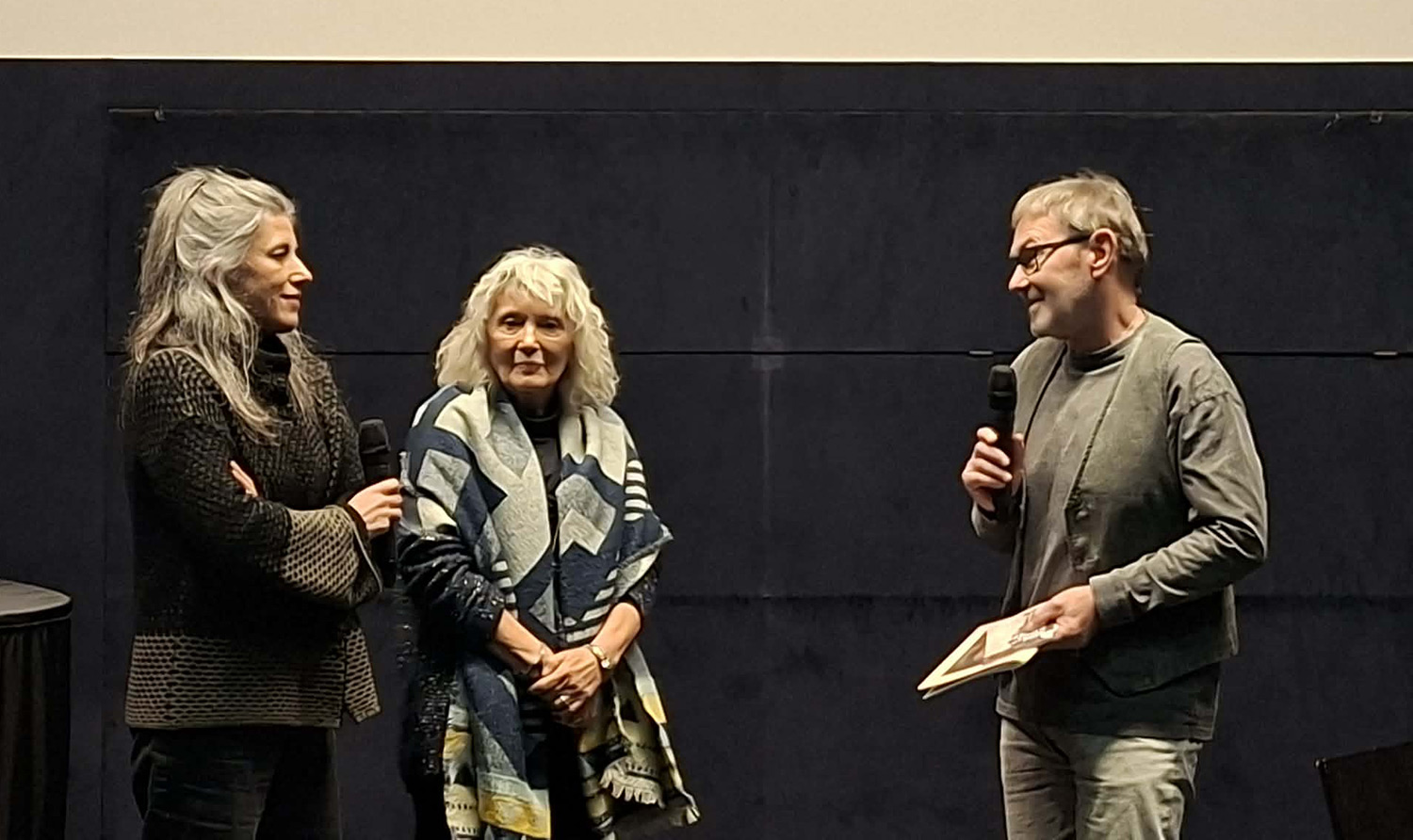
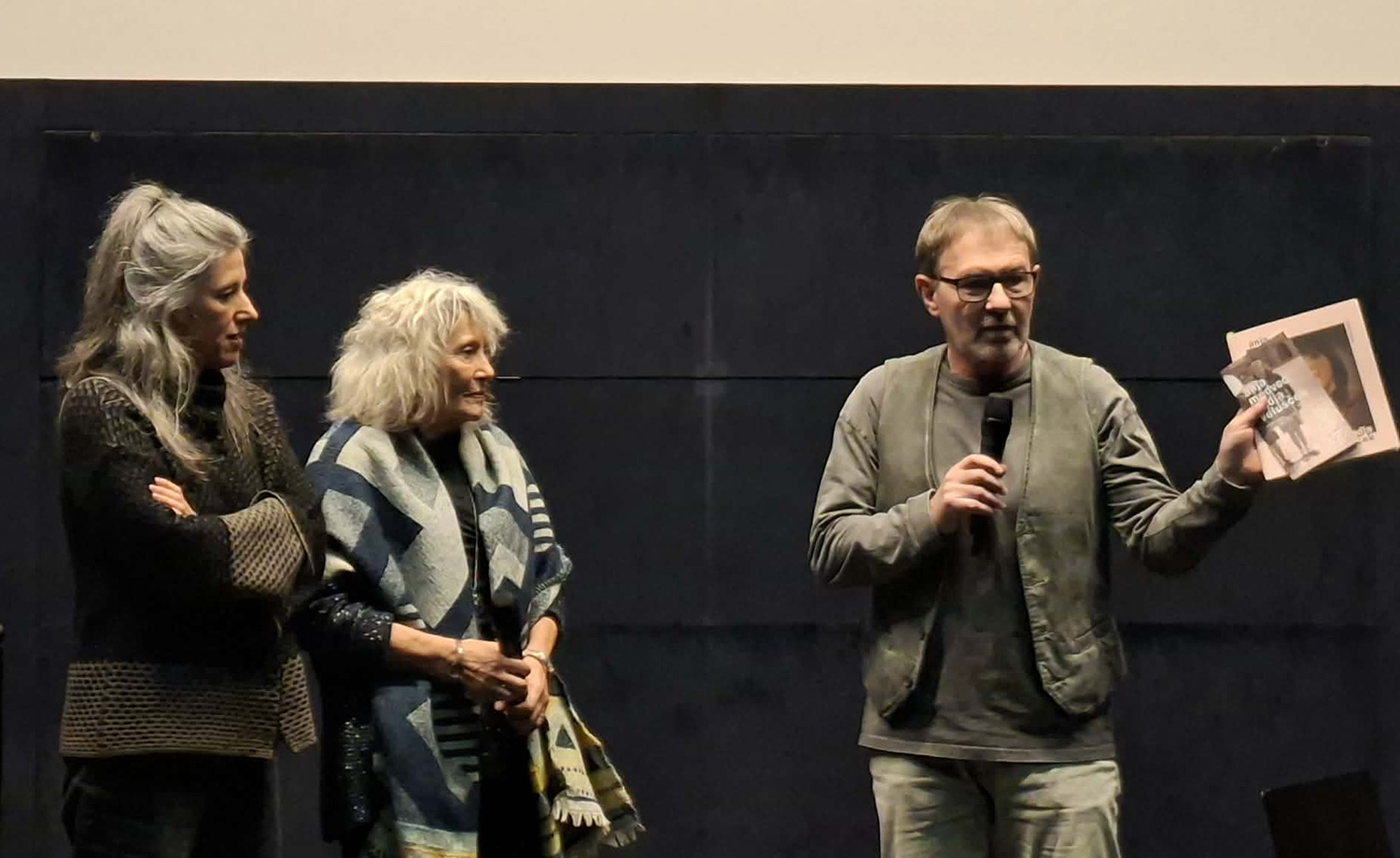
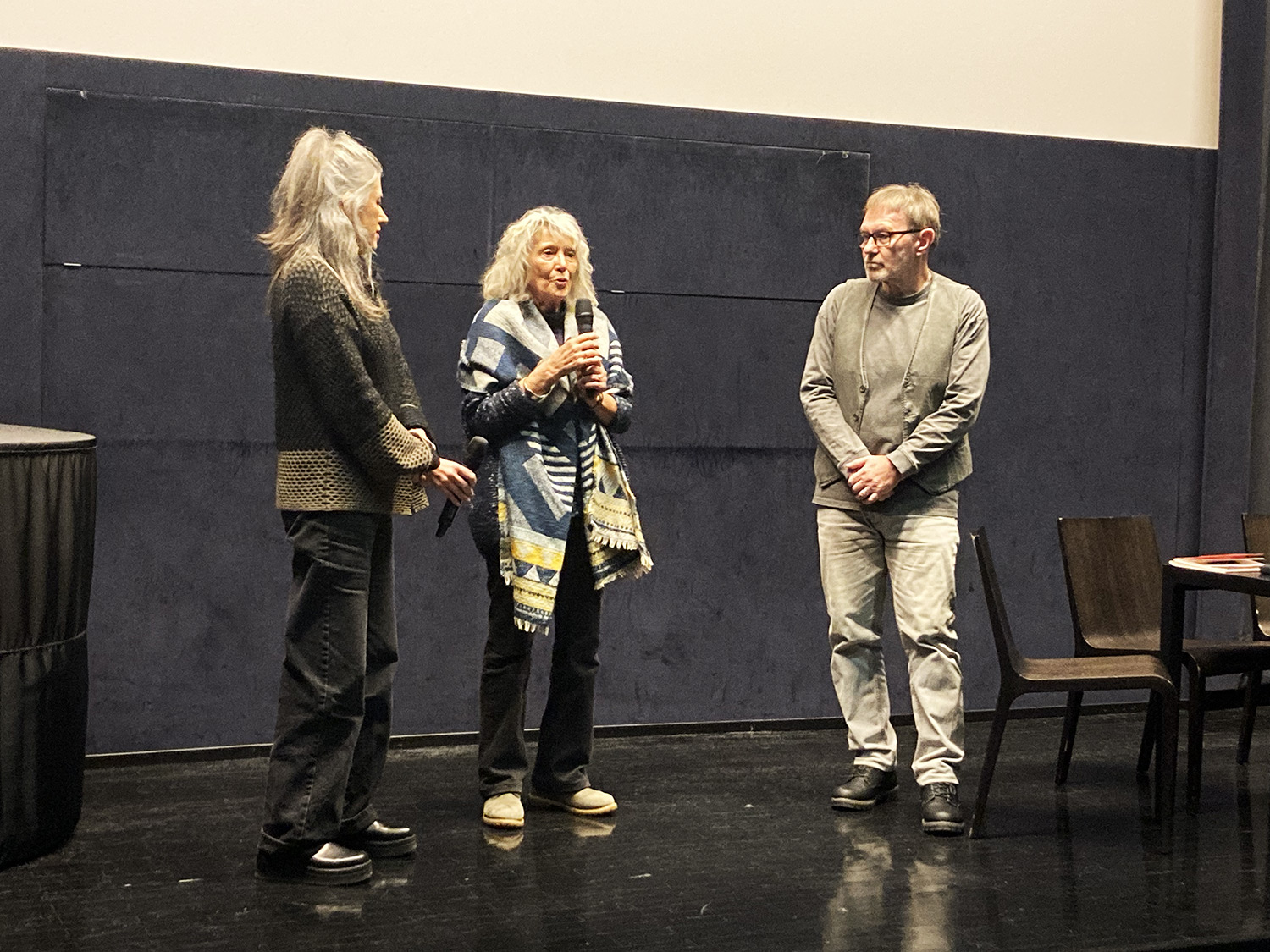
The screening will be followed by a discussion with Anja Medved and Nadja Velušček.

Directing, screenplay: Anja Medved, Nadja Velušček, production: Zavod Kinoatelje (SLO), Kinoatelje (ITA), Slovenia/Italy, 2004, SD video, colour, 63′
A documentary essay on the founding of Nova Gorica.

Director, screenplay: Anja Medved, production: Zavod Kinoatelje (SLO), Kinoatelje (ITA), Slovenia/Italy, 2010, video miniDV, colour, 22′
On 21 December 2007, when Slovenia joined the Schengen Area, Nova Gorica found itself without border barriers for the first time. The evening before, the traumatic border crossing area, which had separated the people of Nova Gorica from those of Gorizia for decades, was transformed into a meeting place. The room that had previously been used for inspections and interrogations was now equipped with a camera, where people could talk without fear about what it was like to live with the border, cross it, and smuggle goods. The shared memories and film documents show how two different realities can coexist in the same place. Each person who shared their memories was offered a caffè corretto – coffee with brandy, combining the two most smuggled goods, one from one side of the border and the other from the other.
Zone of Transition I: Gorizia / Nova Gorica
17 – 24 December
» View at Slovenian Film Database (BSF)
On the night of April 30 to May 1, 2004, Slovenia officially became a member of the European Union, and the area where the border between Old and New Gorica used to be was named Europe Square (Piazza Transalpina). The barriers were finally removed on December 21, 2007, when Slovenia joined the Schengen area. This event gave rise to a series of six so-called Memory Collection Actions. The purpose of these actions is to “create an open archive that develops over time and becomes a kind of gift that the residents of both cities give to future generations. Similar to a family album, which is made meaningful by its incompleteness, the memory archive is also in a constant process of creation and rearticulation. /…/ The border crossings that separated us in the past can now become meeting places that reflect the relationship between personal and collective memory.” The program of three Memory Collection Action events focuses on photographs from family albums, unknown fellow citizens, and buildings in Nova Gorica, complemented by a documentary portrait marking the 70th anniversary of the France Bevk Public Library.
Robert Kuret
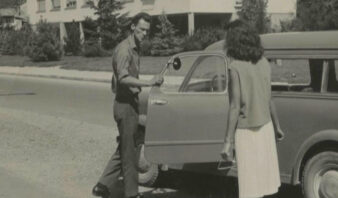
Anja Medved, Slovenia/Italy, 2010, 13′
On December 10, 2009, the second commemorative event in the series Cross-Border Memory Collection Actions: Memory Clinic was organized in the former border crossing house between Nova Gorica and Gorizia. Citizens of both cities were invited to select a few photographs taken in this border area from their family albums and share their memories of that frozen moment in time.
Anja Medved, Slovenia/Italy, 2014, 33′
In December 2013, the fourth Memory Collection Action, entitled Found Portraits, was carried out on the premises of the former border crossing between Nova Gorica and Gorizia. Citizens of both cities were invited to choose photos of unknown fellow citizens and talk about their memories of them.
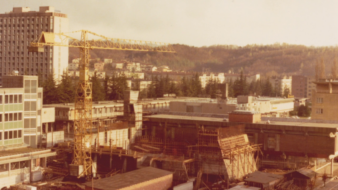
Anja Medved, Slovenia/Italy, 2015, 30′
This documentary video is the result of the fifth Memory Collection Action, carried out in 2015 as part of a multi-year project to collect public memories of the former border crossing between Nova Gorica and Gorizia. At the railway station in Nova Gorica, we collected memories and photographs of buildings in Nova Gorica and Gorizia that we pass by without knowing their stories and fates. Citizens of both Goricas were invited to select photographs of buildings from their albums and talk about their stories.
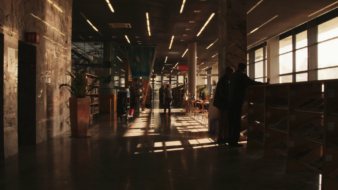
Anja Medved, Slovenia, 2019, 17′
The film was made to mark the 70th anniversary of the France Bevk Public Library.
Zone of Transition II: Memory / Document
21 January 2026 at 5 pm at Slovenian Cinematheque
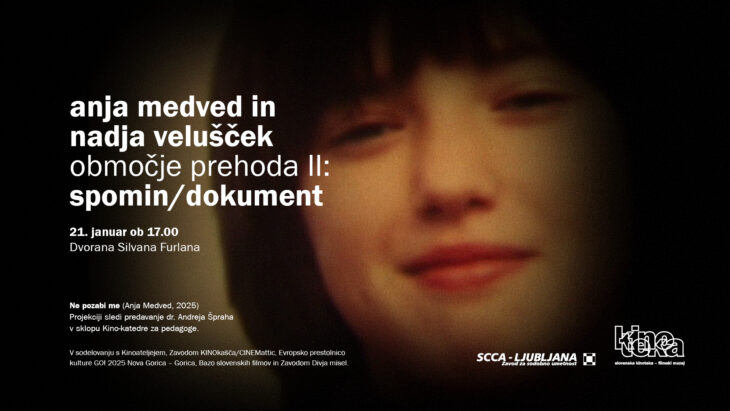
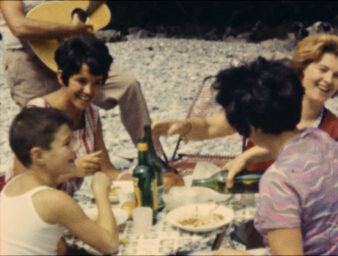
Forget Me Not (Ne pozabi me) – the first feature film by the duo Velušček-Medved – was created as part of the Memory Rescue and Archive Brigade project, which is part of the official film program of the European Capital of Culture GO! 2025. The film features residents of the Goriška region who share their experiences of World War II: they experienced it as children of members of opposing sides, and the authors emphasize that all stories must be heard, but above all, space must be given to memories that have not yet been told.
As Andrej Šprah writes in the retrospective catalog, there are two key levels in the documentary. On the one hand, it is about the use of past materials for different ways of presenting reality. On the other hand, it concerns the relationship with the materiality of the artifacts used, which can have evidential, narrative, and even poetic functions. This also involves, as he says, the affective meaning of objects, since the authors are also emotionally connected to them. He sees their creative gesture as liberating existing images from the yoke of “previous meanings and hegemonic tendencies to attribute reality,” and their project as “creating conditions in which memories could be freed from imposed or prescribed truths.” These are “utopian possibilities of liberation from the burden of meaning through forms of re-recognition, recontextualisation and poeticisation”.
These thoughts are also condensed in the film’s conclusion, which summarizes the poetic style of the Velušček-Medved duo: the camera slowly rises alongside an old tree growing in front of a block of flats, revealing a magnificent panoramic view of the Goriška region, accompanied by Anja Medved’s reflection: “The acacia tree survived the First World War, the Second World War, the breakup of Yugoslavia—it remains rooted in this space, drawing life from the same soil, the same water, the same air… It draws it from space, but not from the space that can be occupied, but from the vastness that cannot be limited and that always finds its way home.” The effort of their films is precisely to open up this expanse beyond the historical and ideological appropriations of the moment and the petrified historical Truths, and to open the way to the polyphony of living experiences.
Robert Kuret
Directed by: Anja Medved, screenplay: Anja Medved, Nadja Velušček, production: KINOkašča / CINEMattic, Slovenia, 2025, DCP, colour, 104′
This documentary essay searches for unspoken family memories of World War II. While sorting through boxes of photographs and film reels, a landscape of memories gradually emerges from the border region between Slovenia and Italy, which was divided by war and political violence in the last century. The childhood memories of the oldest residents also reveal a different view of this area, one that is much more common than what we learned about it in history textbooks. The film weaves together the memories of locals of different affiliations and, with film and photographic documents, builds a familiar narrative of life during the war at a time of renewed calls for armament.
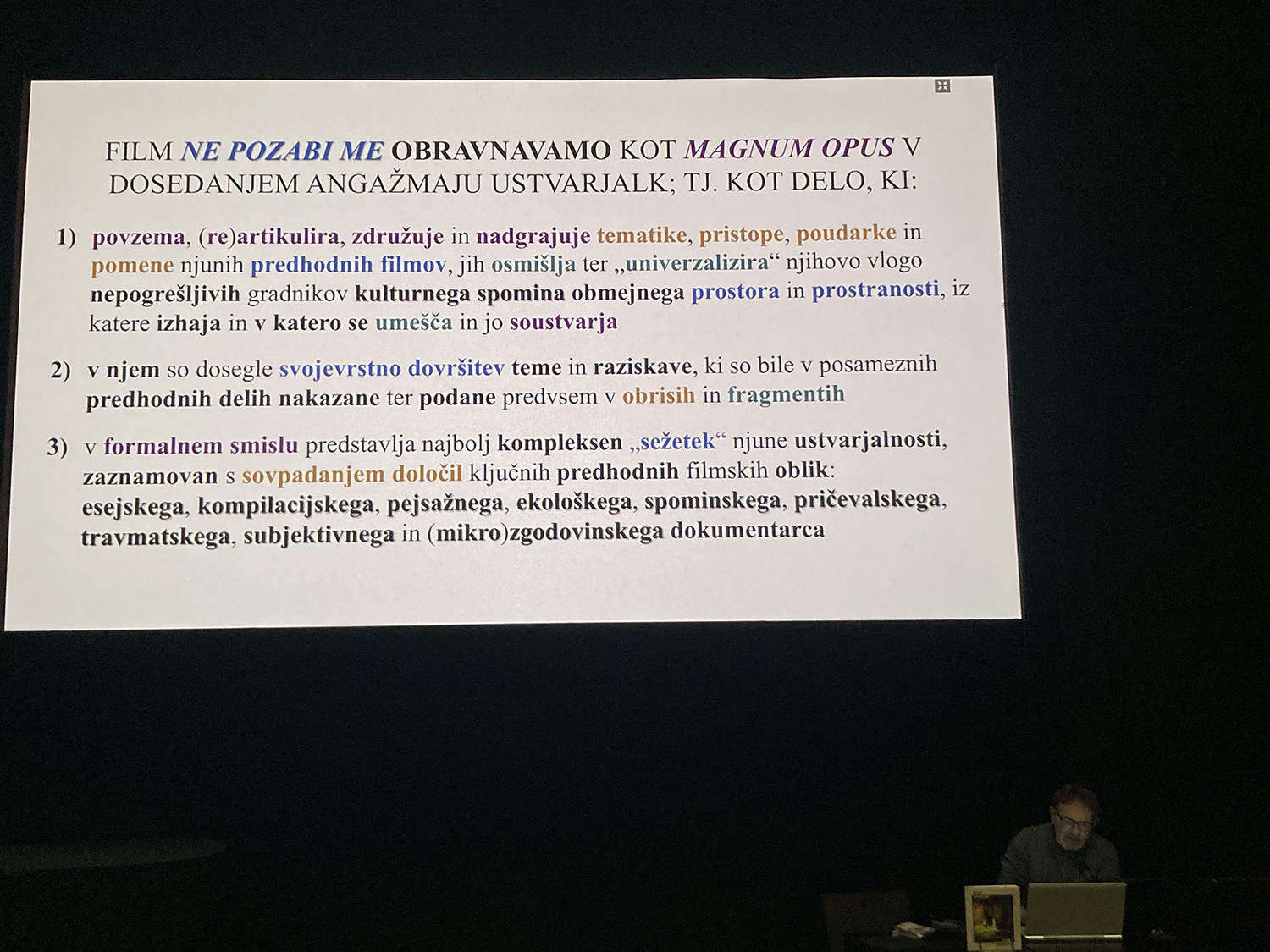
Lecture as part of the Kino-katedra programme for educators
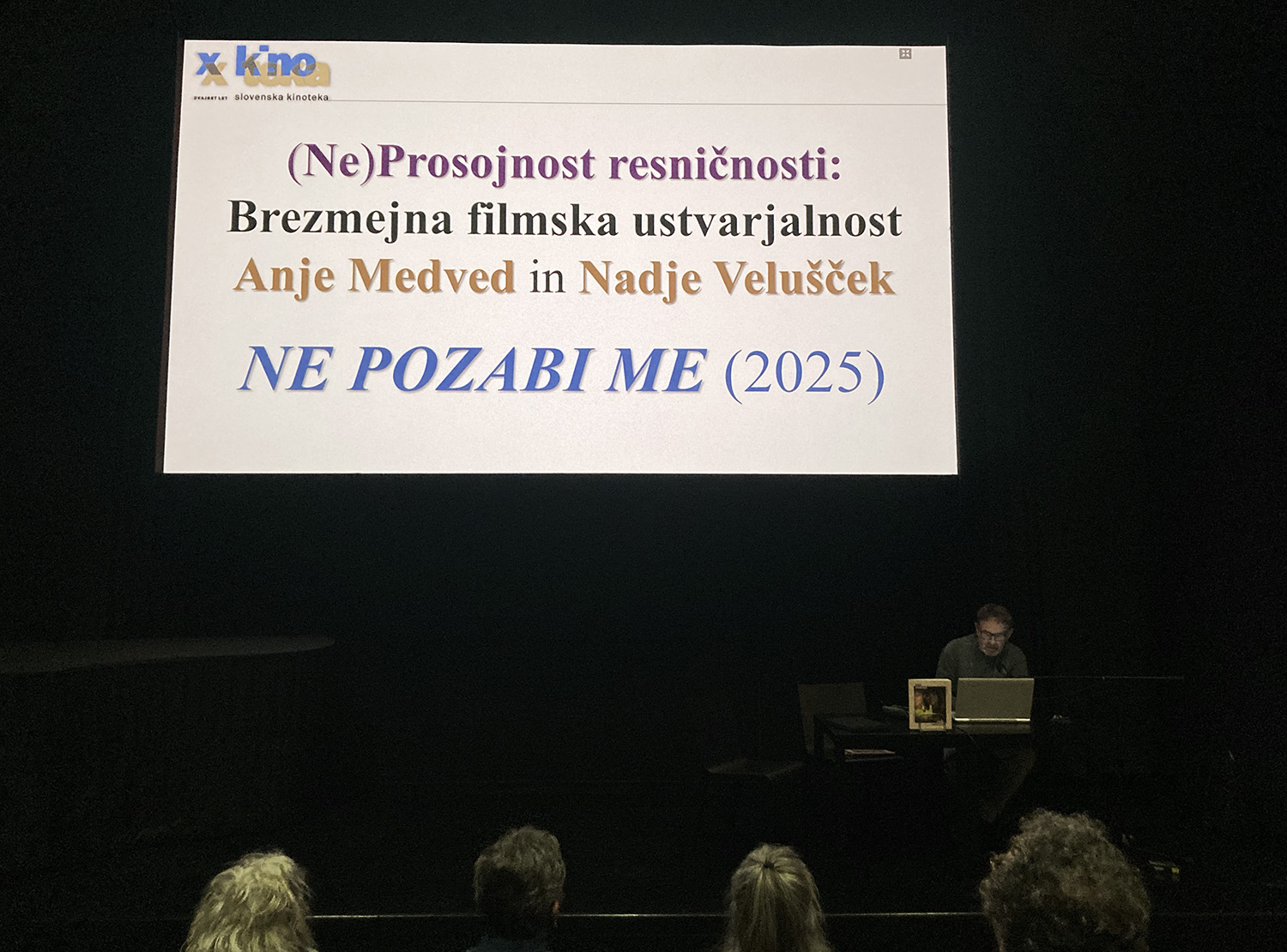
Andrej Šprah
The (Im)Transparency of Reality: The Boundless Cinematic Creativity of Anja Medved and Nadja Velušček
The lecture is based on the essay of the same name in the catalogue of the retrospective of Anja Medved and Nadja Velušček, entitled Zone of Transition. It focuses on some of the fundamental thematic and aesthetic highlights of their extensive documentary oeuvre, with special attention to the film Forget Me Not (Ne pozabi me, 2025), which it considers the undisputed magnum opus of the authors’ creative work to date. The lecture considers it as a work that, in its own way, summarizes, (re)articulates, combines, and builds on the themes, approaches, emphases, and meanings of their previous films, which represent invaluable building blocks of the cultural memory of the space and expanse from which they originate and in which they are situated. At the same time, he argues that, in a formal sense, we are also faced with the most complex undertaking of their creative engagement, marked by a judicious convergence of key previous film forms—essayistic, compilation, landscape, ecological, memorial, testimonial, traumatic, subjective, and (micro)historical documentary.
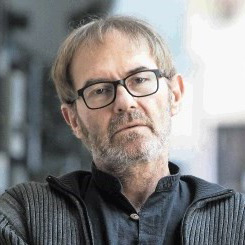 Andrej Šprah jis an assistant professor of film and television studies at the Academy of Theatre, Radio, Film and Television at the University of Ljubljana and a collaborator in the educational programs of the Slovenian Cinematheque. His research focuses on engaged documentary filmmaking, the relationship between fictional and documentary representations of reality, and the cinematography of the former Yugoslavia. His most important publications include the monographs Documentary Film and Power (1998), Liberating the Gaze (2005), The Site of Resistance (2010), Return of Reality (2011), The Uncompromising Vision (2013), and the anthology chapters “Musical Variations in Karpo Godina’s Alternative Cinema” in Popular Music and the Moving Image in Eastern Europe (2019), “Contemporary Newsreel and New Everybody Figures as Mediators in Late Democracies” in: Popularisation and Populism in the Visual Arts Attraction Images (2020) and “Newsreel Front: A Revived Vision of Third Cinema in Slovenia” in: Third Cinema, World Cinema and Marxism (2020). Between 1997 and 2005, he was a member of the editorial board of Ekran magazine, and since 2008, he has been a member of the editorial board of KINO! magazine.(Photo: Matjaž Rušt)
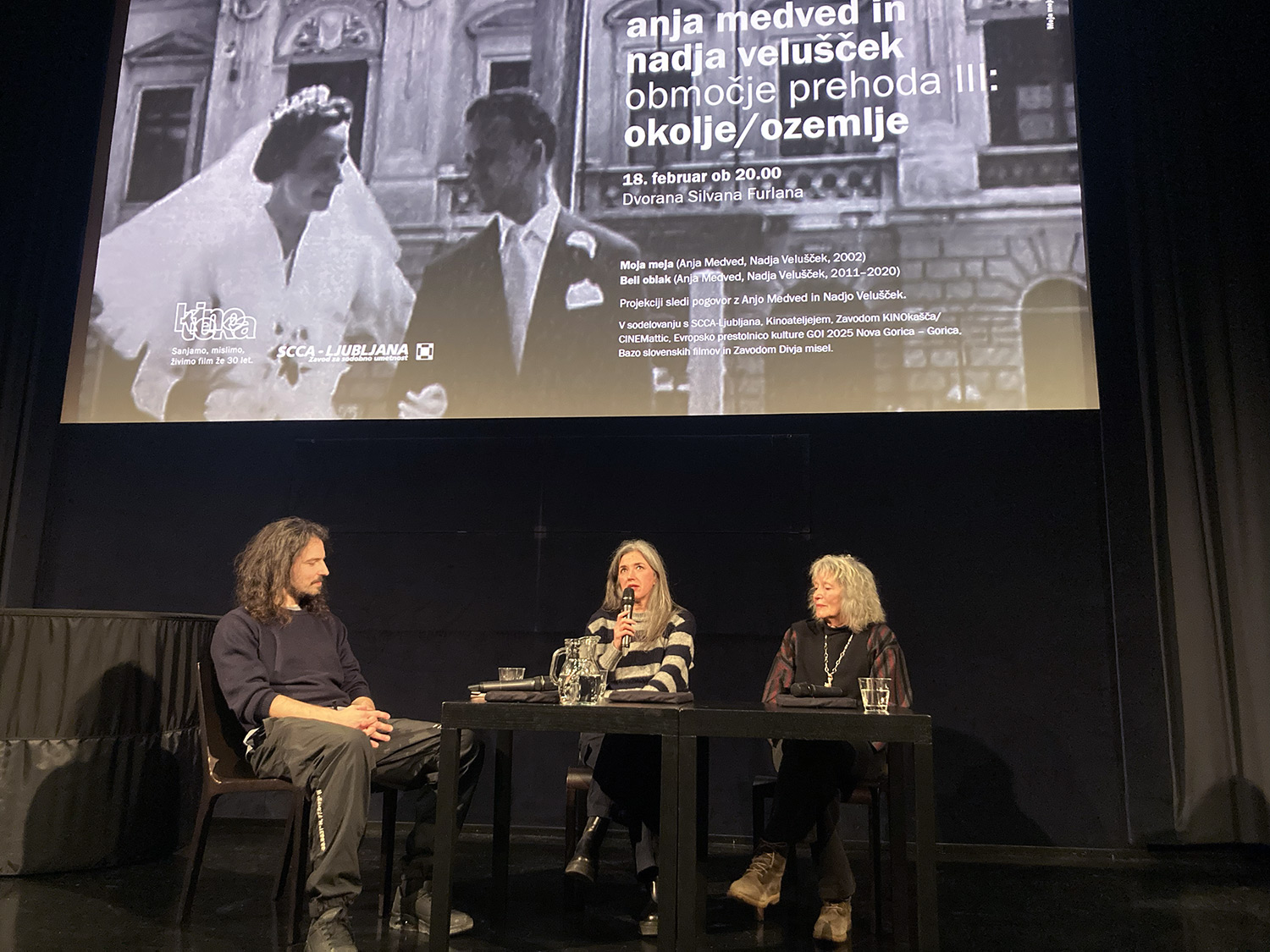
Zone of Transition III: Environment / Territory
18 February 2026 at 8 pm at Slovenian Cinematheque
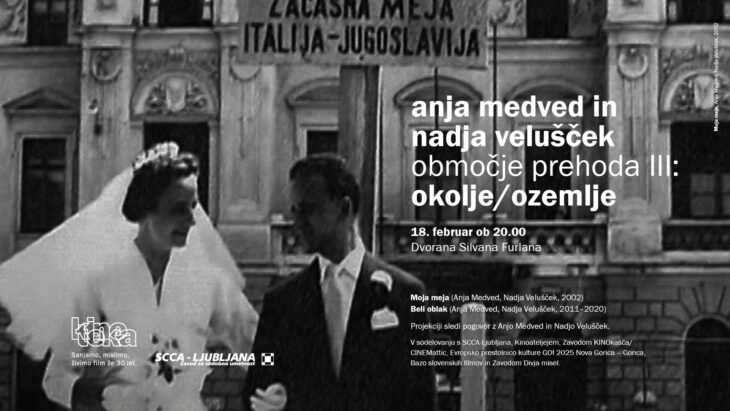
The film My Border was made at a time when it seemed that the border between Gorizia and Nova Gorica would soon be nothing more than a memory. It is also the first film by the author duo to feature the story of their family, narrated by Nadja Velušček, which is also the story of many Primorska residents: her mother was from Gorizia, while her father was from the village of Plave ob Soči in the municipality of Kanal. She moved to Plave in 1947, when the border was drawn on September 15 under the Paris Peace Treaty: the movement of civilians was then strictly prohibited for the next two years, as the authorities were still establishing the border regime, control, and documentation, and crossing was only possible with military permits, which were practically inaccessible to civilians.
There was a lot of construction in Yugoslavia after the war, and one of the key players was Salonit from Anhovo, a manufacturer of asbestos-cement products located just 4 kilometers north of the village of Plave. The film White Cloud depicts the serious health consequences for the workers there, and their stories contrast with scenes from the promotional film Obsoški orjak, which presents the factory at a time of rapid growth and increasing international reputation. The film White Cloud was created as part of an international project on human rights violations initiated by the Pravo Ljudski festival in Sarajevo. Still, since the film omnibus was not realized, Anja Medved completed the film as an independent project and joined a civil initiative in the Posočje region.
If the scenes from Obsoški orjak are used in both films in a way that, as Šprah writes, “undermine their original meaning,” My Border also features images from family albums and recordings from everyday life, which simultaneously depict time as images taken from propaganda film material. As Anja Medved and Nadja Velušček repeatedly emphasize, they show us that everyday life does not stop during “great history.”
Robert Kuret
The screening will be followed by a discussion with Anja Medved and Nadja Velušček.
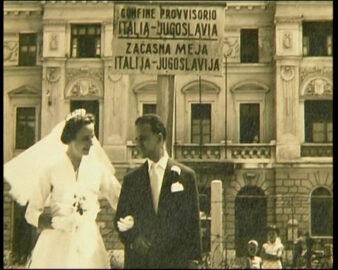
Director, Screenwriter: Anja Medved, Nadja Velušček, Production: Kinoatelje (ITA), RAI regional headquarters for Friuli-Venezia Giulia – Slovenian program, Slovenia/Italy, 2002, SD video, colour, 50′
A documentary novel about the establishment of the border in the Goriška region.
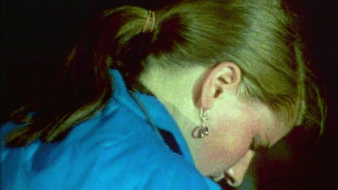
Director, Screenwriter: Anja Medved, Production: KINOkašča / CINEMattic, Slovenia, 2011/2020, HD video, colour, 11′
An invisible catastrophe unfolded for decades along one of Europe’s most beautiful rivers. The cement factory in Anhovo, which employed most of the population in the Soča River valley, used asbestos. Although this deadly fiber has been banned since 1996, the consequences of its long-term use are becoming increasingly visible. The film interweaves the memories of former workers with excerpts from a promotional film about the factory, which was once a source of pride.
Zone of Transition III: Environment / Territory
18 – 25 February
» View at Slovenian Film Database (BSF)
In this accompanying programme to the review of the film oeuvre of Anja Medved and Nadja Velušček, we will be able to watch three quite different works, each of which describes creative paths in one way or another: Nora Gregor follows the story of an actress born in Gorizia, who also appeared in Renoir’s famous 1939 film The Rules of the Game. In Passages, artists from both sides of the border in Gorizia discuss the issue of the area or point of transition. The Gathering – The Secret Side of Things We Share addresses contemporary issues, giving the floor to a wide range of experts in art, philosophy, and medicine, brought together in a joint project by Anja Medved and Patricija Maličev.
Robert Kuret
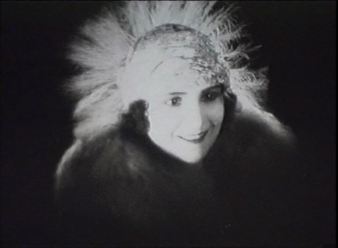
Anja Medved, Nadja Velušček, Italy, 2001, 24’
A short mosaic work about theatre and cinema actress Nora Gregor, about her life which was always hovering between a fairytale and a tragedy.
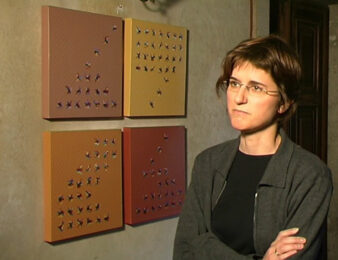
Anja Medved, Slovenia, 2007, 27’
Conversations with some Gorizia-based artists from both sides of the border who participated in two retrospective art exhibitions in Gorizia and Nova Gorica in the year the border opened. We were interested in what the border crossing point means, who or what determines national and cultural identity, and how to live and create without borders.
The documentary video is part of a video installation entitled The Artist and His Window, which the artist created for the exhibition The Universe of Art, whose title paraphrases the slogan of the Nova Gorica gaming company HIT: The Universe of Fun. The video installation featured views through the windows of the studios of the featured artists, projected in the gallery alongside their paintings. Klavdija Figelj curated the retrospective exhibition of the younger generation of Gorizia visual artists at the Nova Gorica City Gallery. The video was also created in collaboration with the Italian association Prologo, which designed the retrospective exhibition Prehajanja / Passaggi at Gorizia Castle, where it was also presented. The video is part of the go&go project.
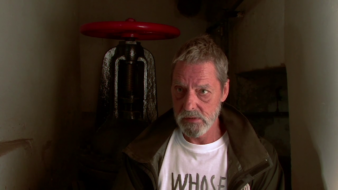
Anja Medved, Patricija Maličev, Slovenija, 2013, 65′
Humans have always strived to free themselves from nature. The history of philosophy is a story of reflection on this tragic endeavor. With rapid technological development, however, we find ourselves in a new contradiction. Humans have never been more liberated from nature, yet, as a species, we have never been more fragile. The question of our civilization’s survival has become a matter of intimate decisions, and we are approaching a possible collective catastrophe, each on our own. The idea for a project arose to discuss humanity’s dilemmas face-to-face. Not to alleviate feelings of loneliness, but to raise awareness of a community of loners. We invited some exceptional creators, scientists, and philosophers who open up thoughts in a way that only good friends can; they awaken the thoughts that lie dormant within us.
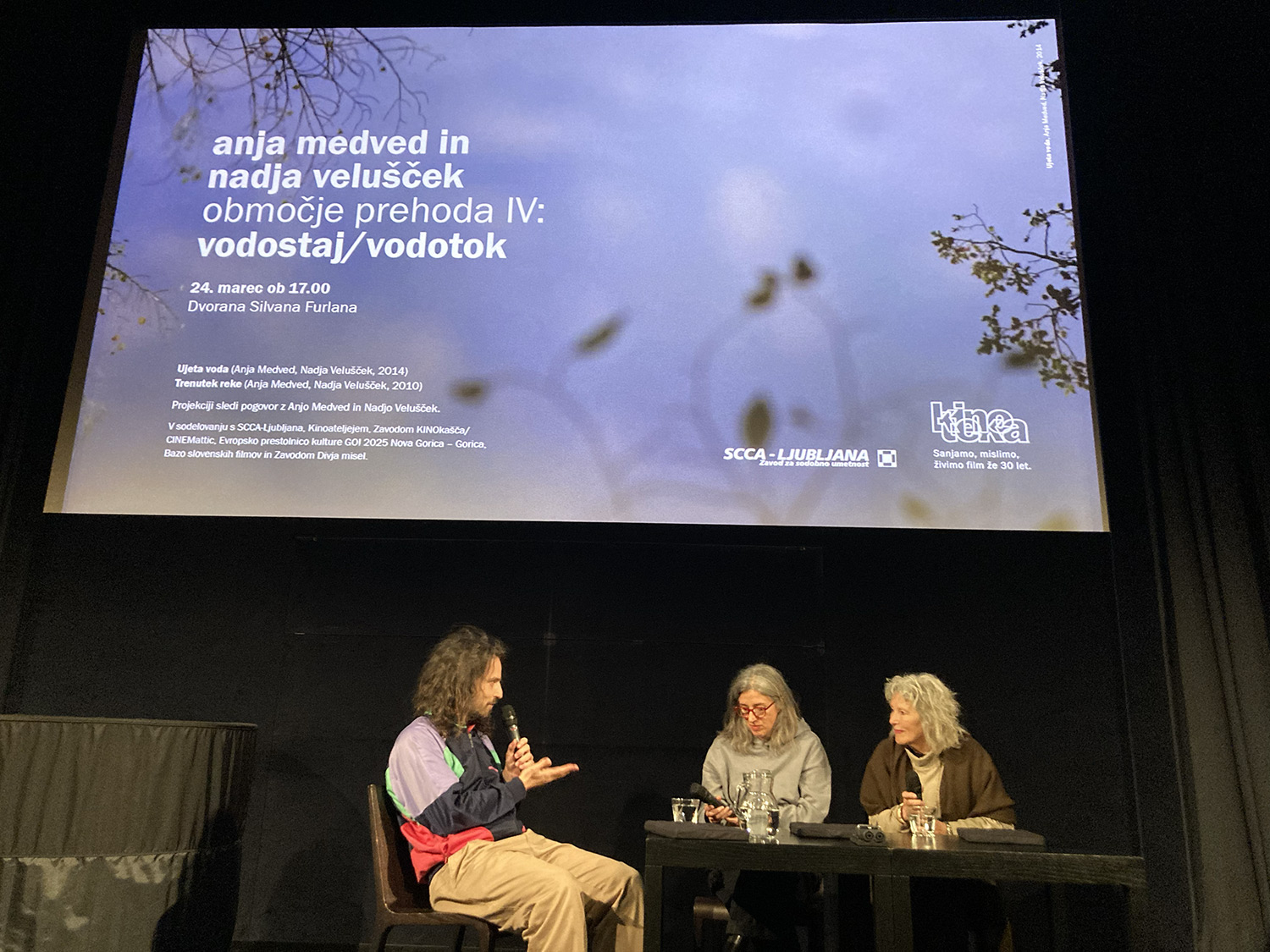
Zone of Transition IV: Water Level / Watercourse
24 March 2026 at 7 pm at Slovenian Cinematheque
Captured Water and Timeless River as classified by Andrej Šprah, fall into the landscape documentary category. Captured Water tells the story of water collection in the cross-border Goriška Karst region, from wells to the water supply system. During World War I, the Karst served as an important rear area for the Austro-Hungarian army, particularly near the battlefields on the Soča Front, which led to the development of military logistical infrastructure, including the water supply system. Timeless River, on the other hand, focuses on the flow of the Soča River and the various ways it is used and appropriated. Through its polyphonic narrative, the film transcends any individual understanding or appropriation of the Soča, thereby approaching the river’s perspective.
Here, a significant difference in the formal structure of the two films is also evident. While Captured Water—which explores how people arrange access to a water source—is shot in static shots and features a set of speakers who appear multiple times in the film, Timeless River, with its structure, is much more akin to the flow of the river itself. The opening shots are filmed with a dynamic handheld camera; not a single speaker appears more than once in the film, and each presents a completely new perspective on the Soča: from plans to build hydroelectric power plants, kayaking, ecology and pollution, paganism, biodiversity, animals, fishing and concern for the fish population, water level control, to artistic or purely personal inspiration.
By multiplying landscapes and speakers, the film completely dismantles any dominant narrative line about the Soča or any specific way of appropriating or using it—and it is precisely through this process that it best allows the Soča itself to speak: The truth about the Soča is, at best, merely an individual gesture of its appropriation, and it is precisely by multiplying these gestures that the authors most effectively demonstrate how the river is always something more, both in relation to individual truths and to the totality of perspectives. Although multiple voices are already present in Captured Water, it seems that the flow truly begins with Timeless River, which takes its title from the words of the old-timer Anton Jug Kopoviščar: “Ice is a frozen moment of the river, / only when the sun commands, / will it be able to flow toward the sea.”
Robert Kuret
The screening will be followed by a discussion with Anja Medved and Nadja Velušček.
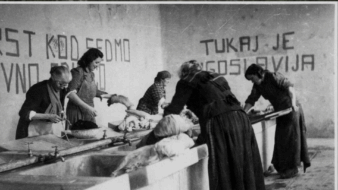
Director, Screenwriter: Anja Medved, Nadja Velušček, production: KINOkašča / CINEMattic, Slovenia, 2014, HD video, colour, 43′
Water is the source of life, so people have always adapted to it. Once humans captured and harnessed it to their advantage, they began to dominate life. Cultures and civilisations have been born around water sources. It has connected people. Today, the times when people used to go to the well with buckets seem like a distant past, yet many still remember how lively it was around the wells. Every day of the year demanded its own bucket, so they were careful with every drop. It was only with the advent of the water supply that everyone could get their own water, which flowed freely. Wells and ponds began to disappear and decay. The film captures fragments of 20th-century history, as reflected in the water sources of the transboundary Goriška Brda region.
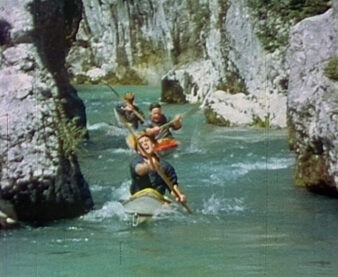
Director, Screenwriter: Anja Medved, Nadja Velušček, production: Zavod Kinoatelje (SLO), Kinoatelje (ITA), Slovenia/Italy, 2010, HD video, colour, 63′
The Soča has always been a border river. In its relatively short course, it connects two completely different landscapes: the Alps and the Mediterranean. Moreover, it seems to have two distinct personalities. It also has two names. The Soča is female. The Isonzo is male. The Soča is a river of contradictions; attractive and dangerous, known for its emerald color and bloody front lines. World War I not only destroyed lives, villages, and fields in these parts, but also the relationship that people of that time had with nature. The survivors had to start from scratch, and it seems we still live in this hastily constructed world today. Encounters along the Soča reveal the contradictions we experience today in our relationship with nature. Compared to the life of the river, human life seems insignificant, and yet today humans can interfere with the laws of nature. At a time when political borders are being dismantled, we must learn to set our own boundaries regarding our shared river.
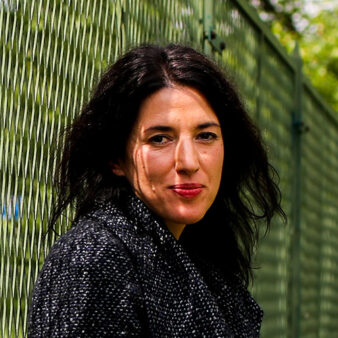 Anja Medved (1969) is a screenwriter and director of documentary films. She graduated from the Academy of Theatre, Radio, Film and Television (AGRFT) in Ljubljana, where she studied theater and radio directing under Prof. Mile Korun. After graduating, she collaborated with the stage structures of Projekt Atol, and after moving to the US, she worked with the Los Angeles-based art collective Microinternational. After returning to Slovenia, she assisted in several theater performances by Vito Taufer and directed the theatrical video installation Noč (Night), based on Michelangelo Antonioni’s film. In 2000, she prepared a solo exhibition, Frequenze Notturne, at the Kapelica Gallery and later developed her work in the field of video in solo and group exhibitions. She has conceived, directed, and edited more than twenty documentary films, most of which explore the relationship between personal and collective memory in border areas. Most of these were co-created with her mother, Nadja Velušček, as part of the cross-border organization Kinoatelje, where she worked as an author and project manager for more than two decades. She is the co-founder and director of the KINOkašča / CINEMattic Institute, a film production company and memory depository, and a mentor for documentary film at the Academy of Arts at the University of Nova Gorica and other international film workshops. She has received numerous awards for her achievements in filmmaking, including the France Bevk Award and the Slovenian Community in Italy Award for outstanding achievements in the field of culture and cross-border cooperation. (Photo: Bojan Velikonja)
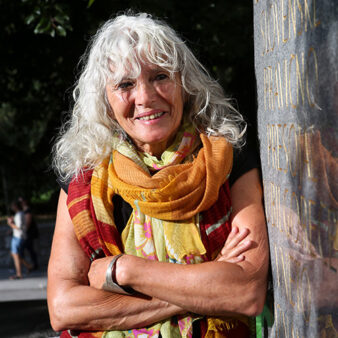 Nadja Velušček (1948) is a screenwriter and director of documentary films. She graduated from the Faculty of Arts in Ljubljana with a degree in Slovenian and Italian language. After completing her studies, she was employed at the Association of Cultural Organizations in Nova Gorica, where she participated in the development of gallery activities and film theater. She taught Italian and film and theater education in Nova Gorica and Slovenian language in Gorizia. On both sides of the border, she introduced experimental theater projects into the high school curriculum and encouraged young people to get to know the other side. In the early 1990s, she joined Kinoatelje in Gorizia, where she produced radio programs about film, co-organized Slovenian language courses, co-organized the Film Video Monitor festival, and helped shape the association’s program for almost three decades. In Slovenia, she headed the Kinoatelje Institute, where she devoted herself primarily to the creation and production of documentary films. She is the co-founder of the KINOkašča/CINEMattic Institute based in Šmihel near Nova Gorica, where she also lives. Together with her daughter Anja Medved, she has created thirteen documentary films, for which she has received several awards, including the France Bevk Award, the Slovenian Community in Italy Award, the Documentary Name Plaque (as part of the Dokudoc festival in Maribor), and in 2025, the Slovenian Directors’ Association awarded her the France Štiglic Award for her lifetime achievement in film and television directing. (Photo: Tomaž Skale)
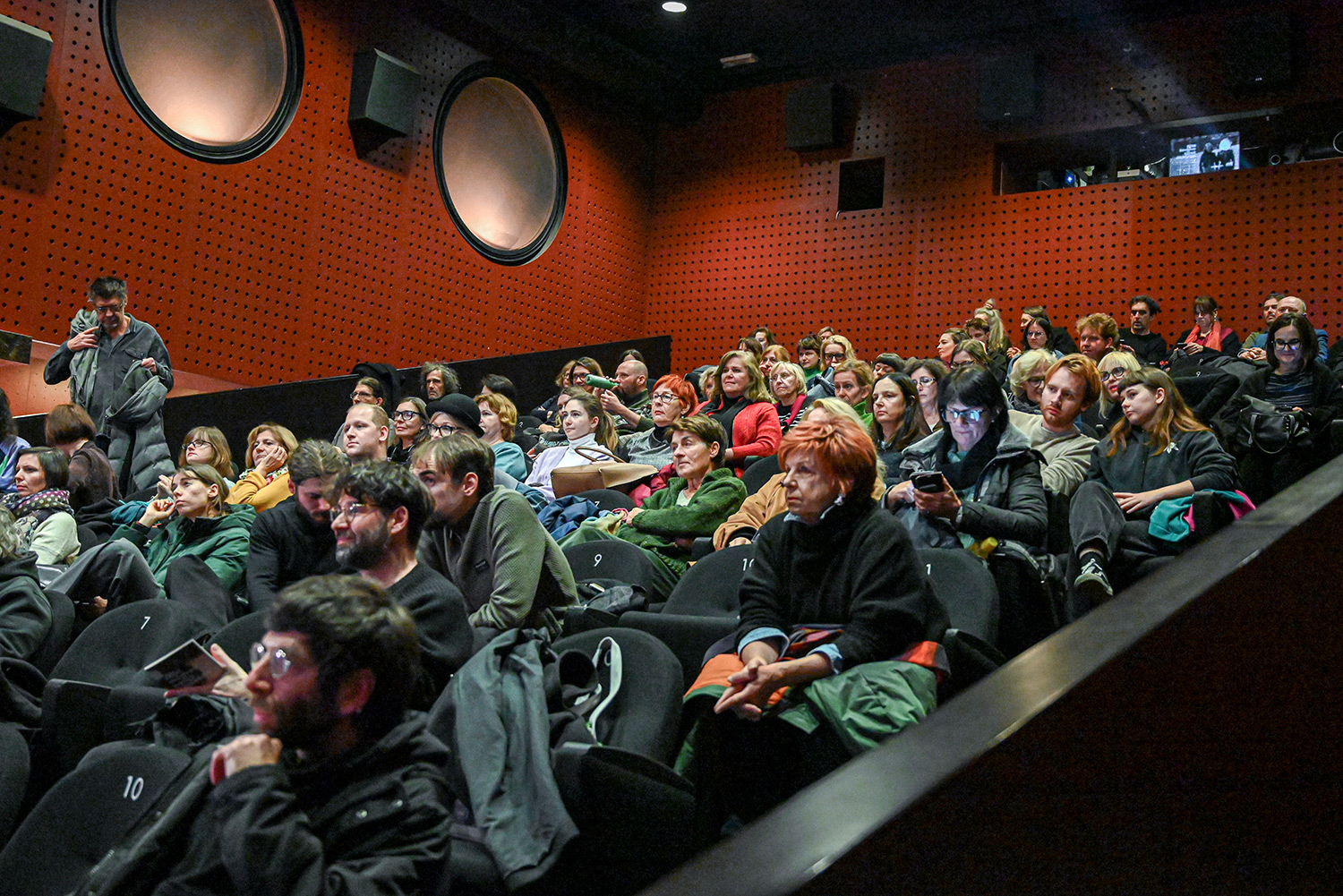
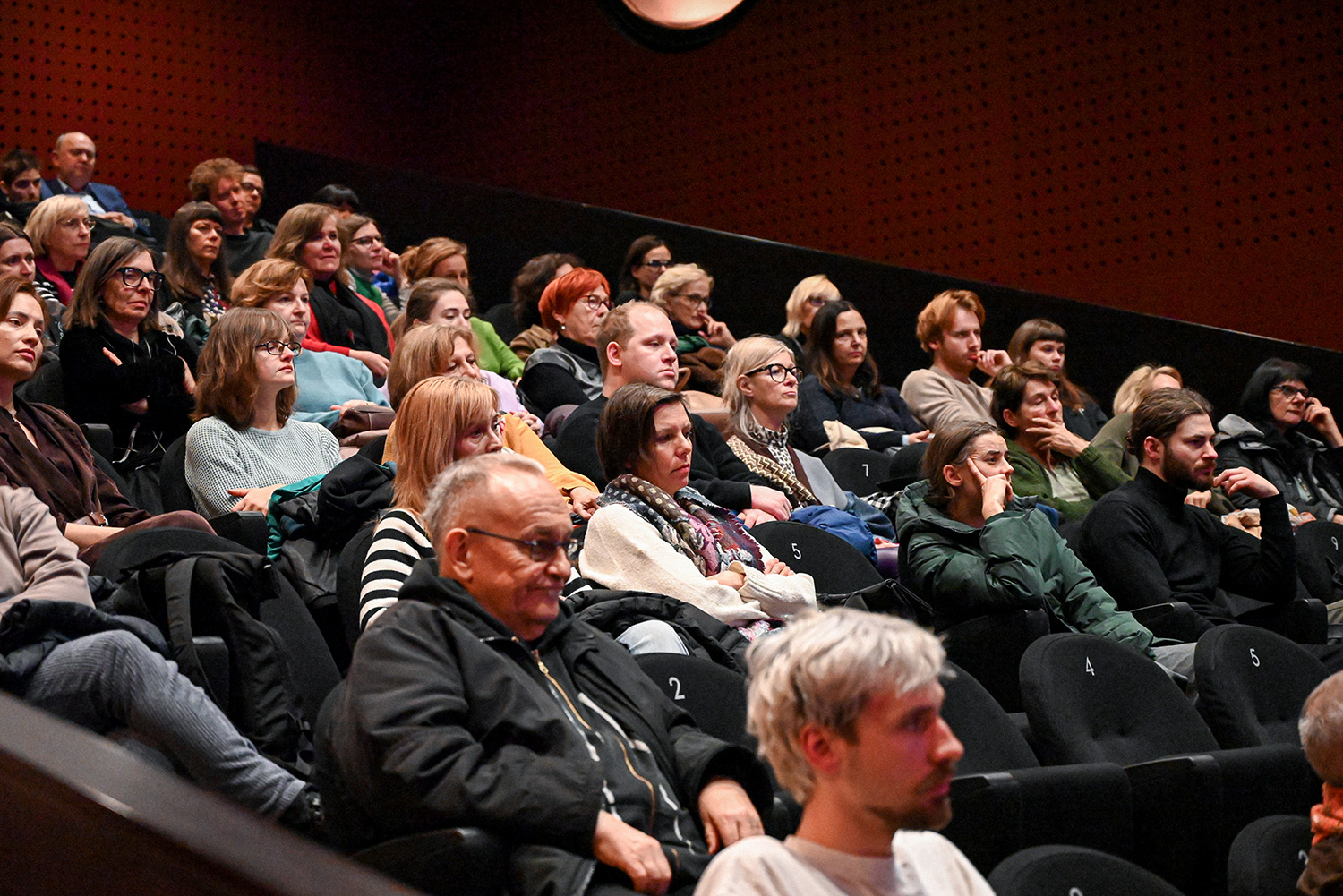
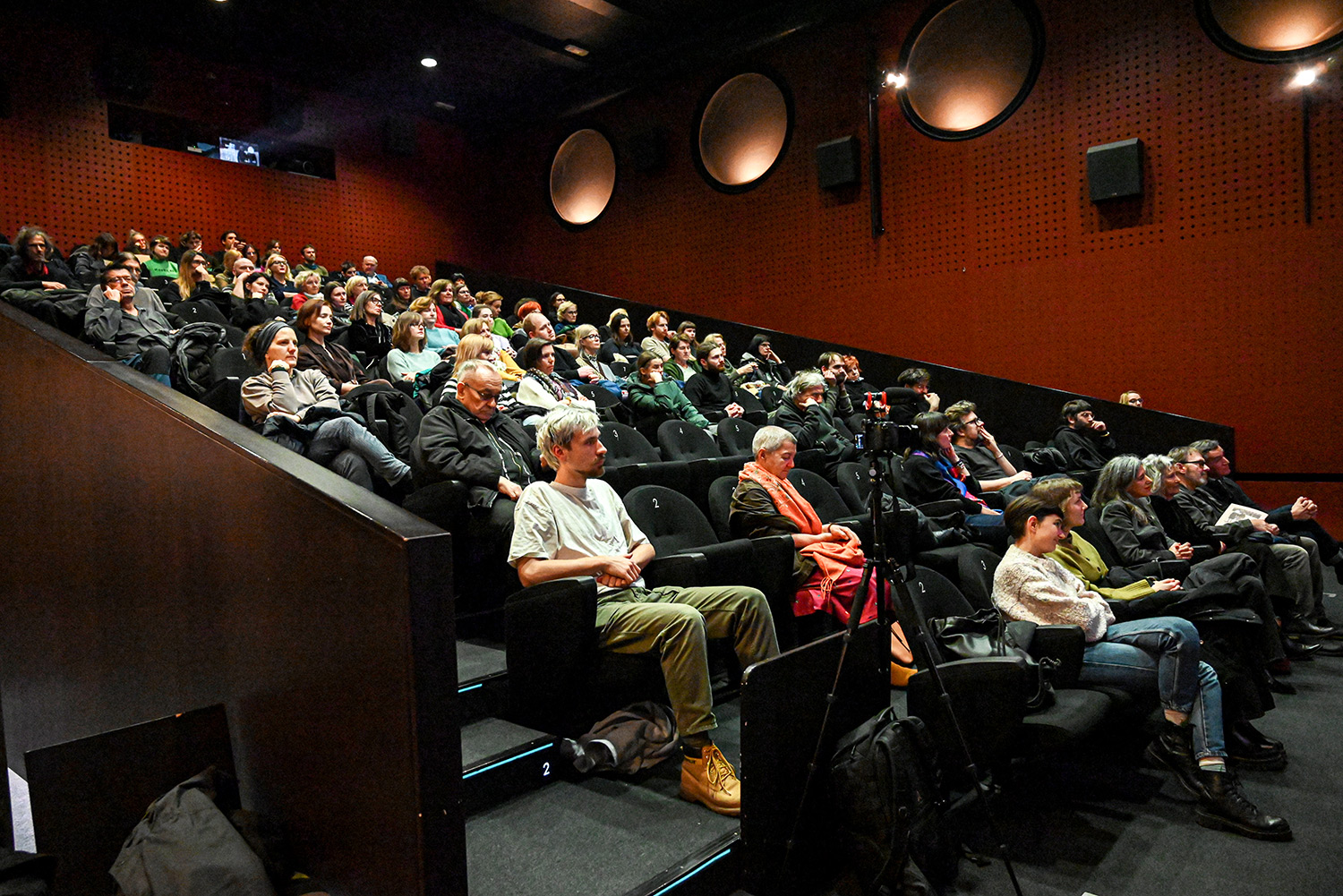
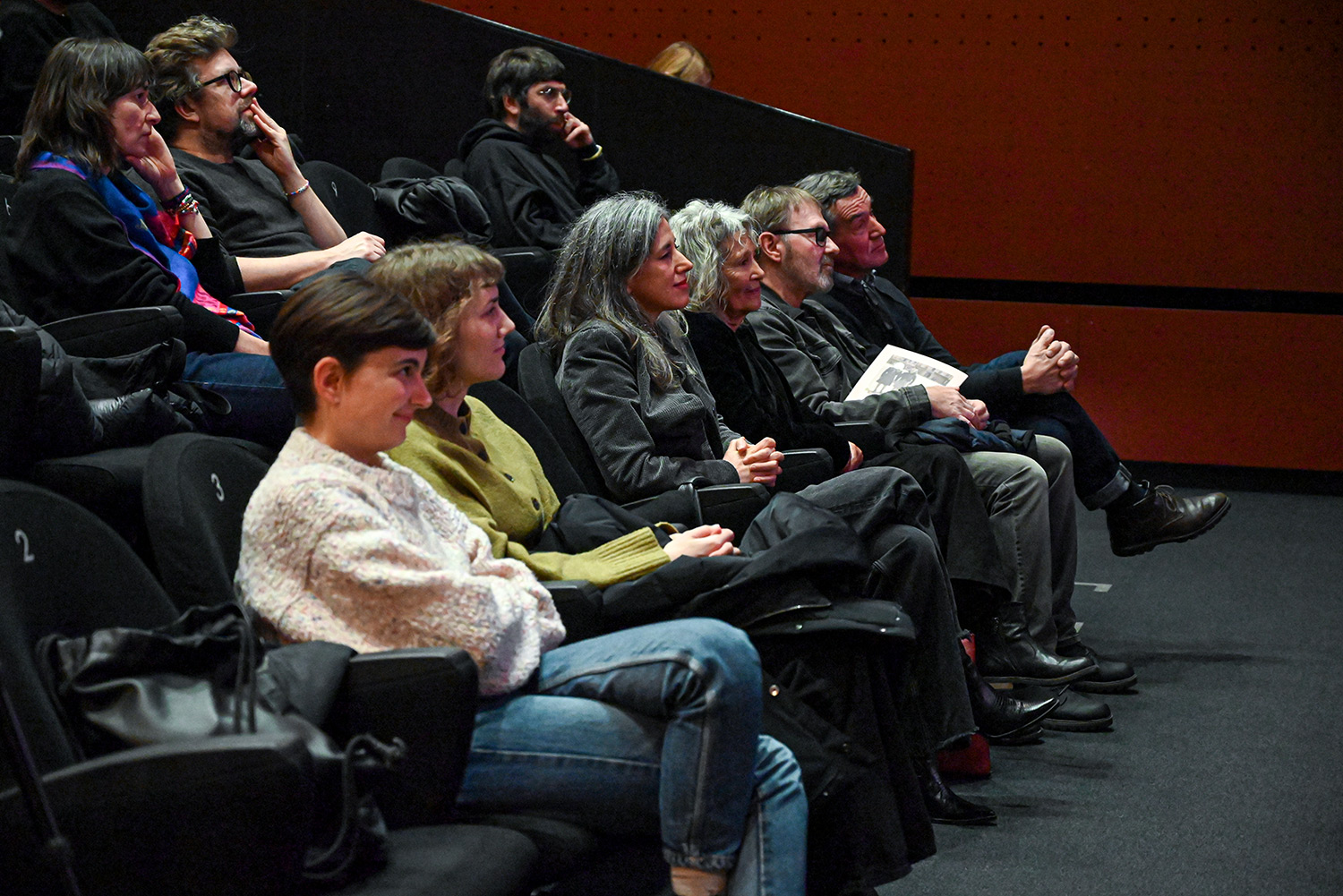
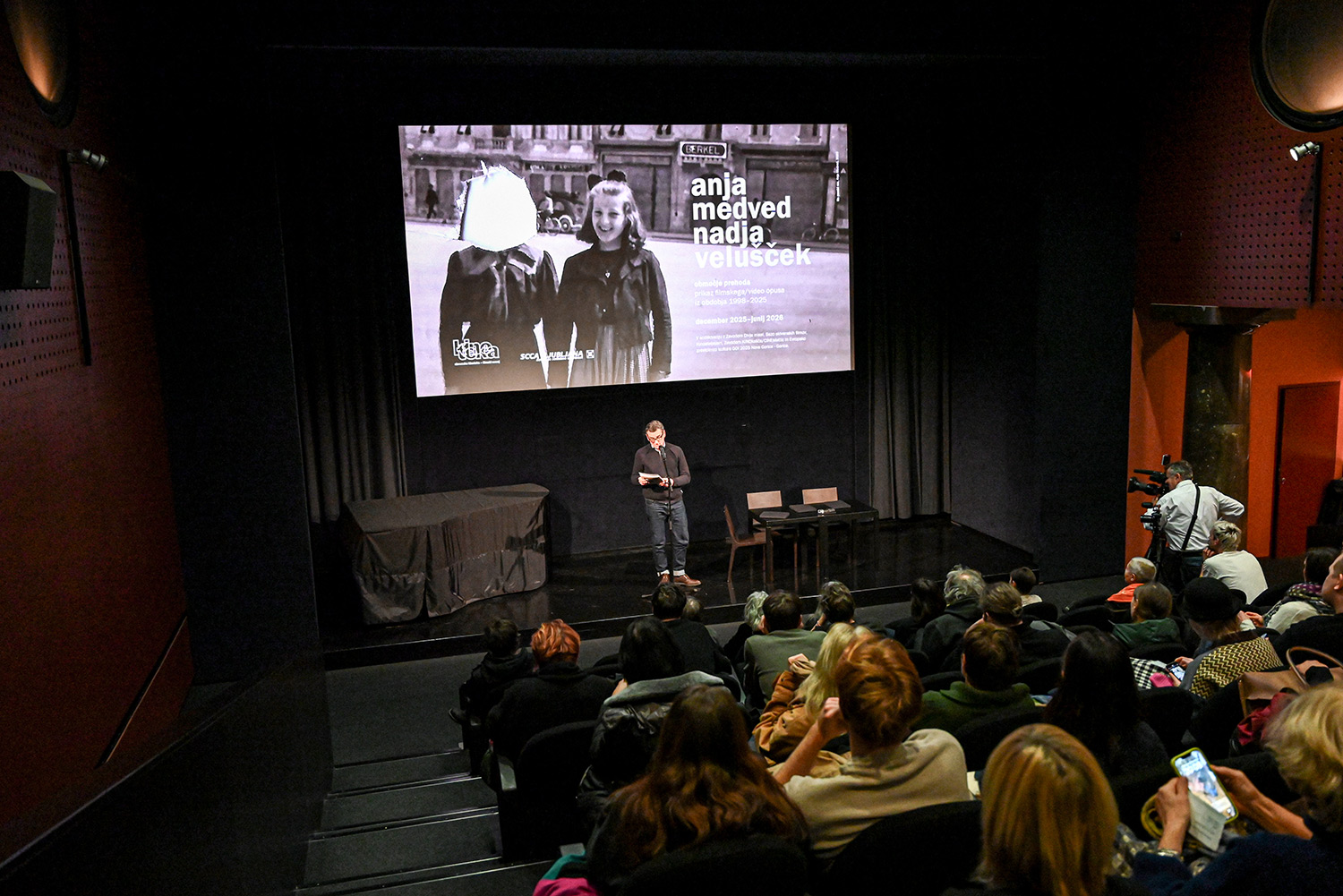
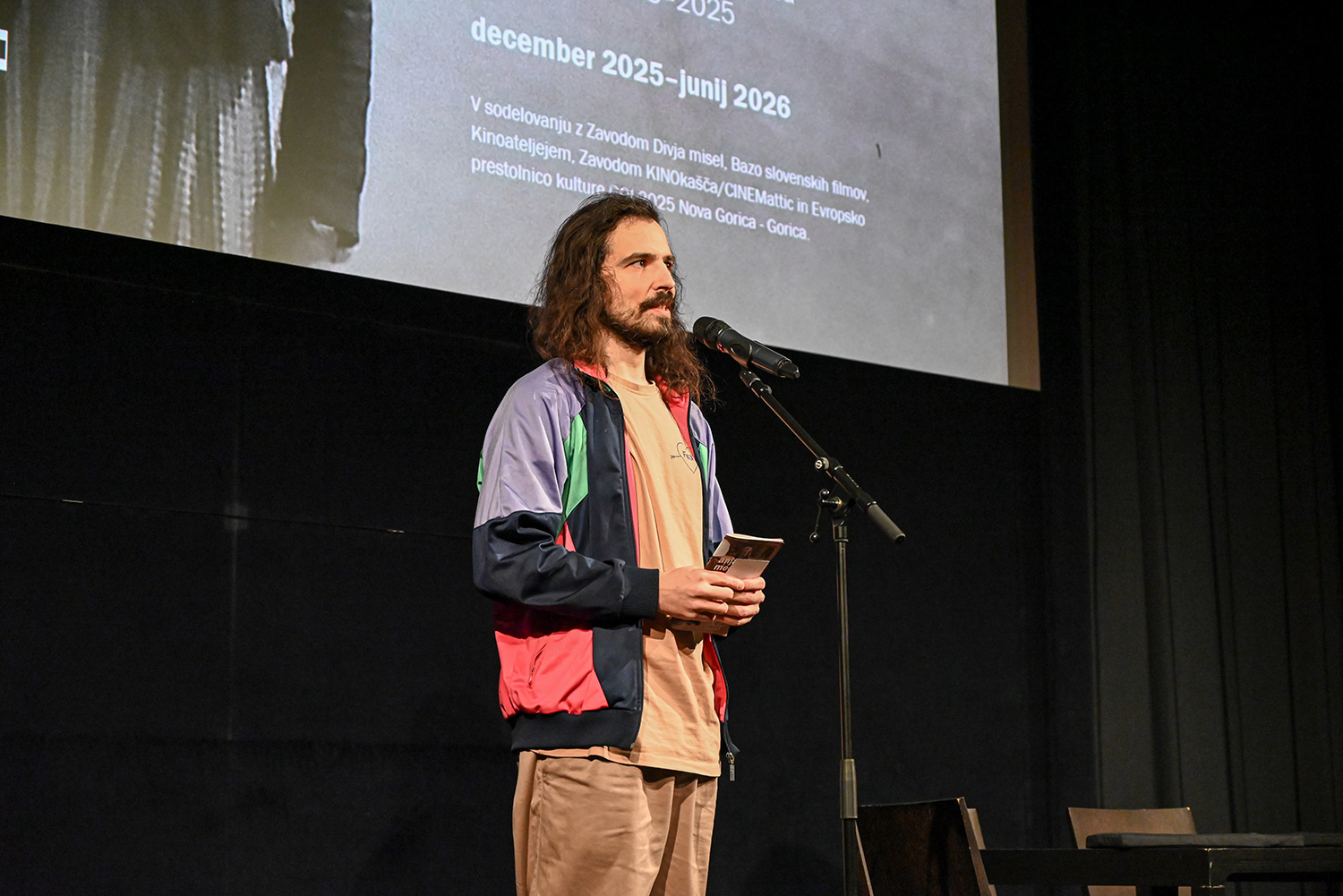
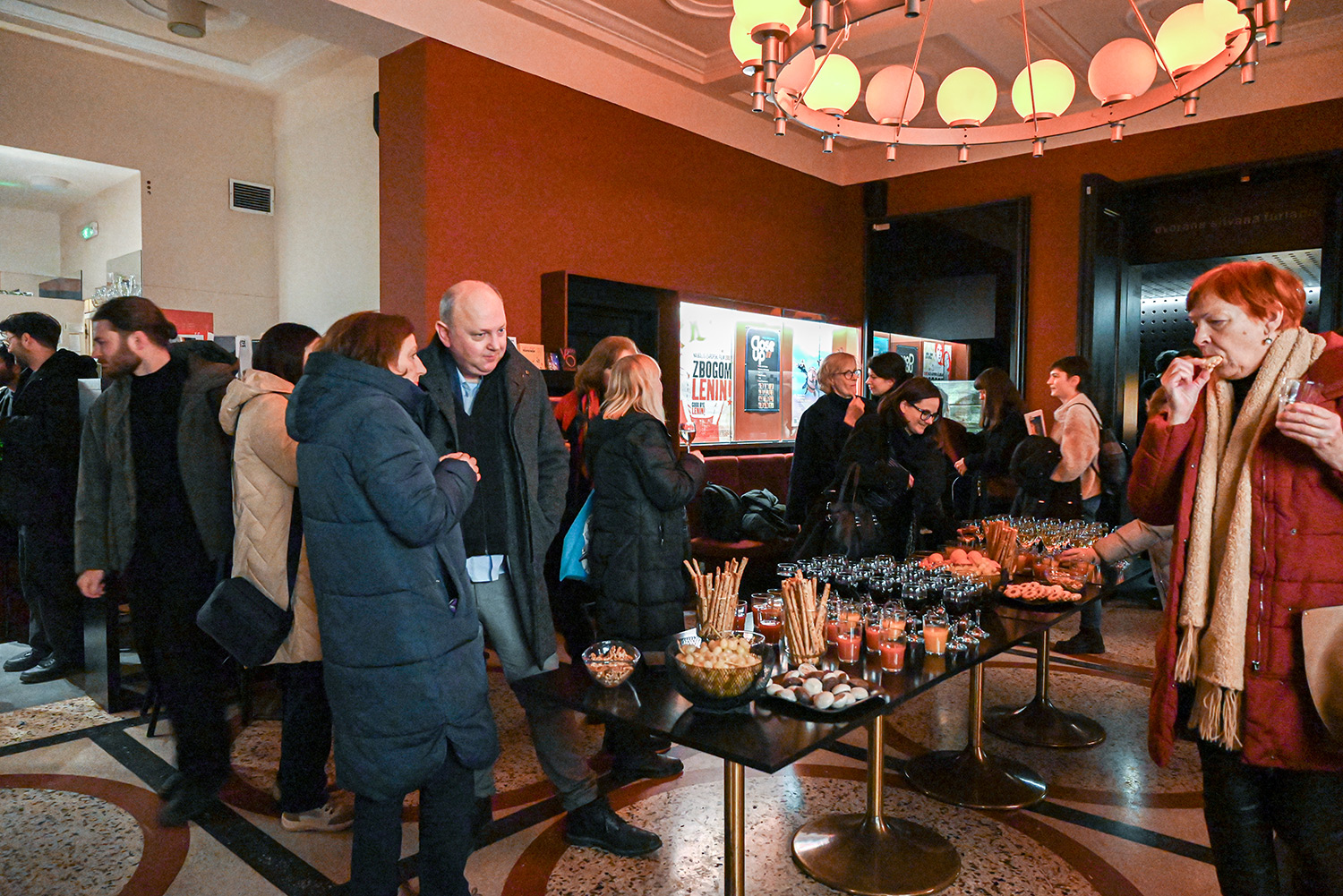
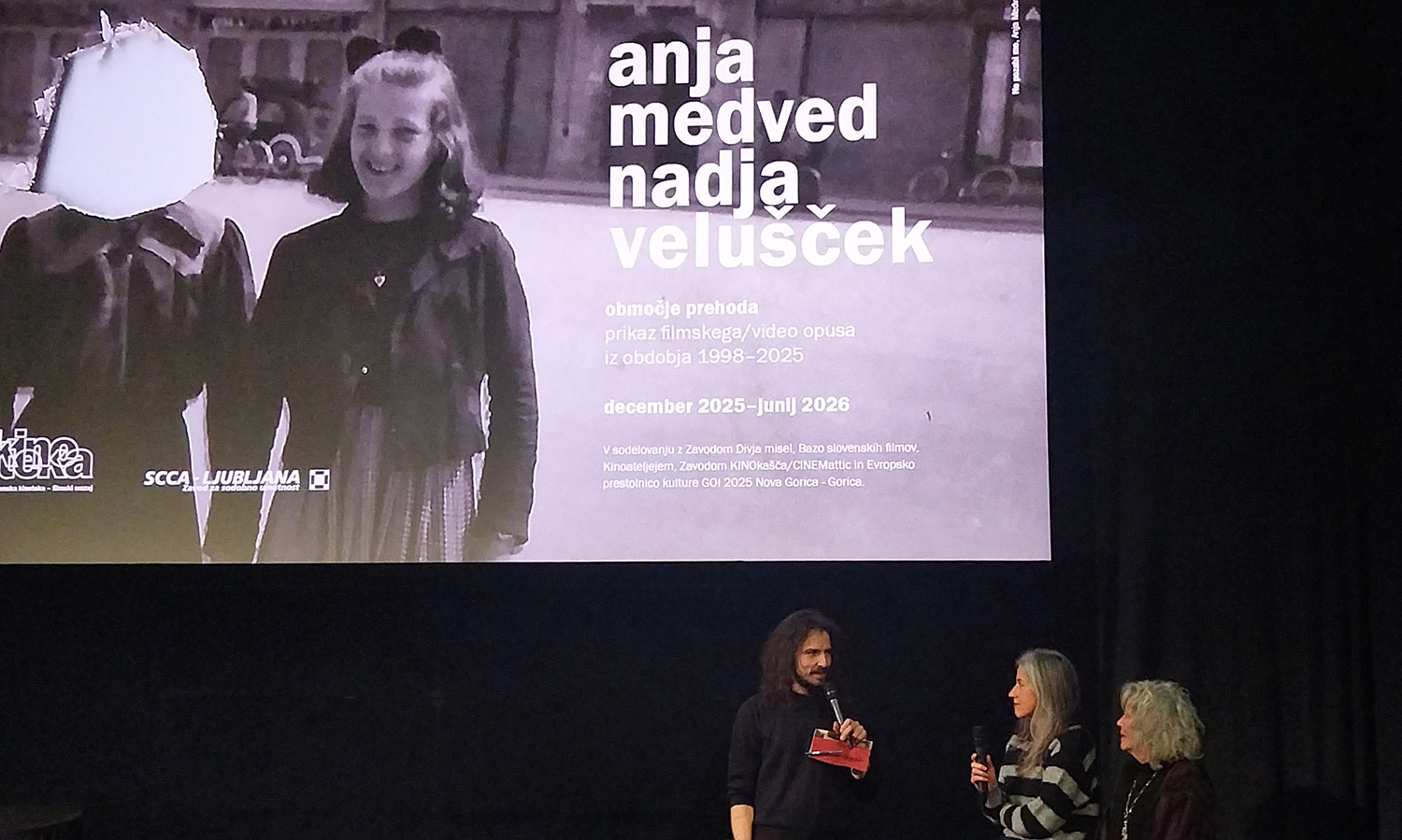
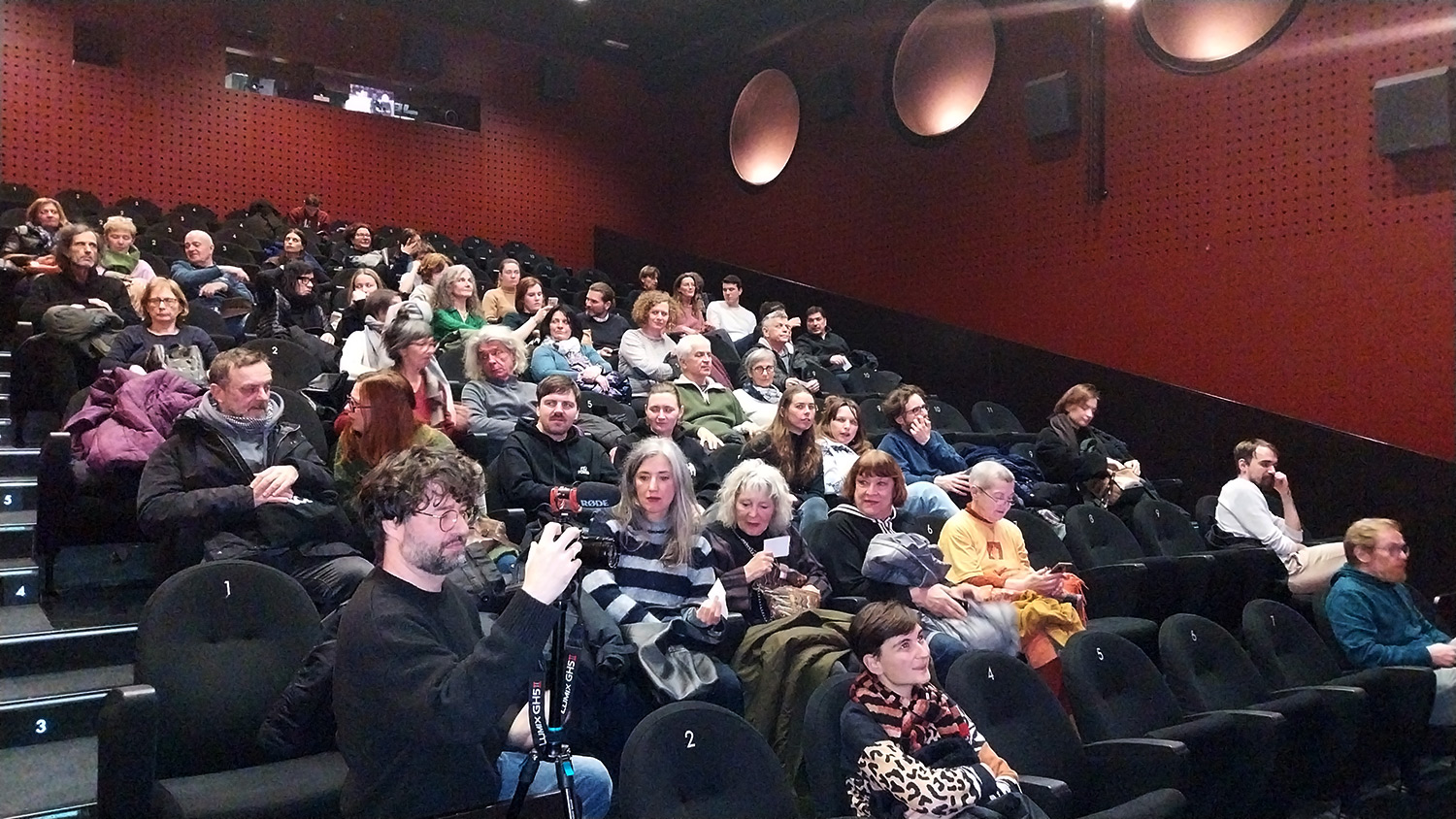
Zone of Transition I: Gorizia / Nova Gorica
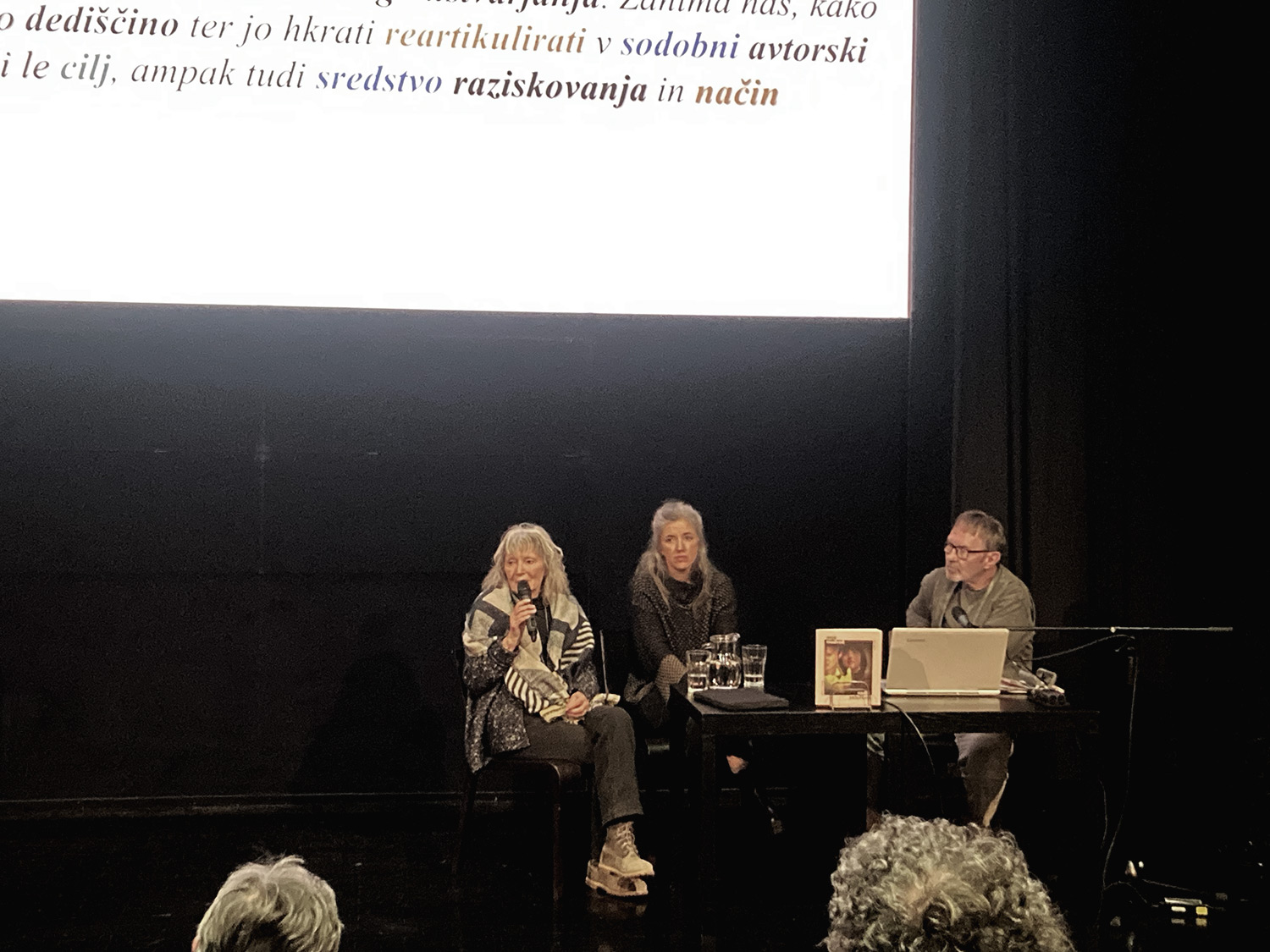
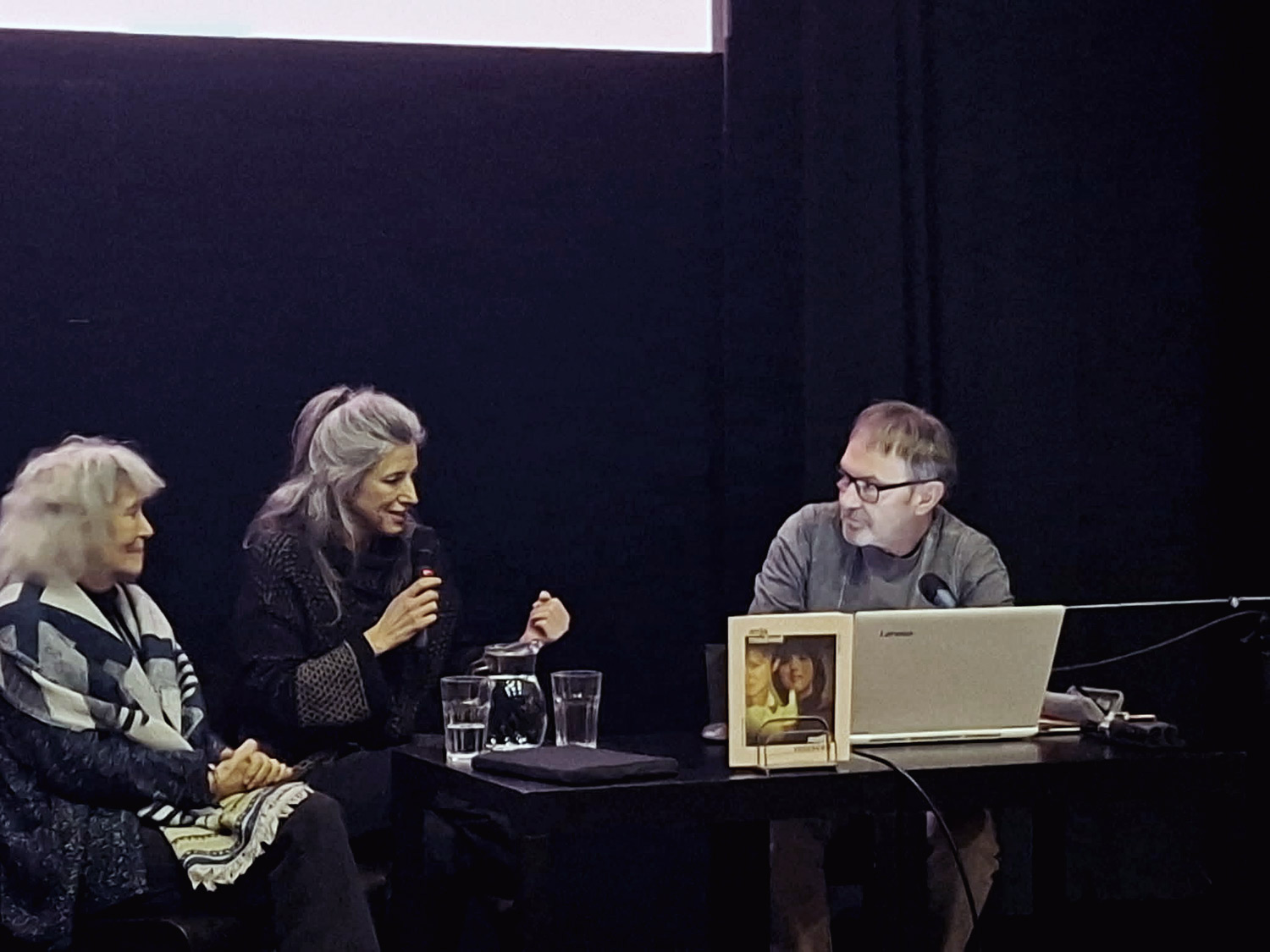
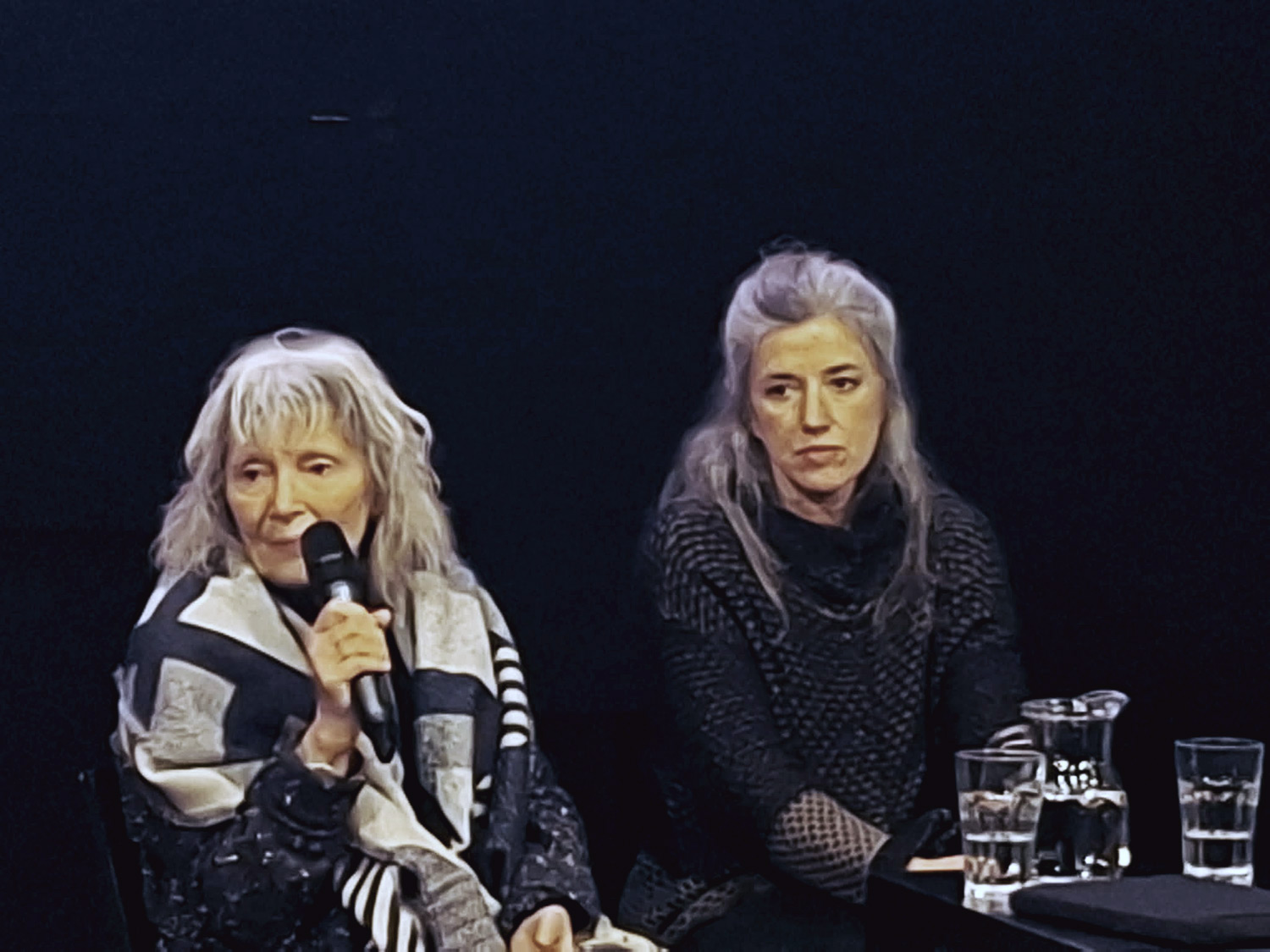
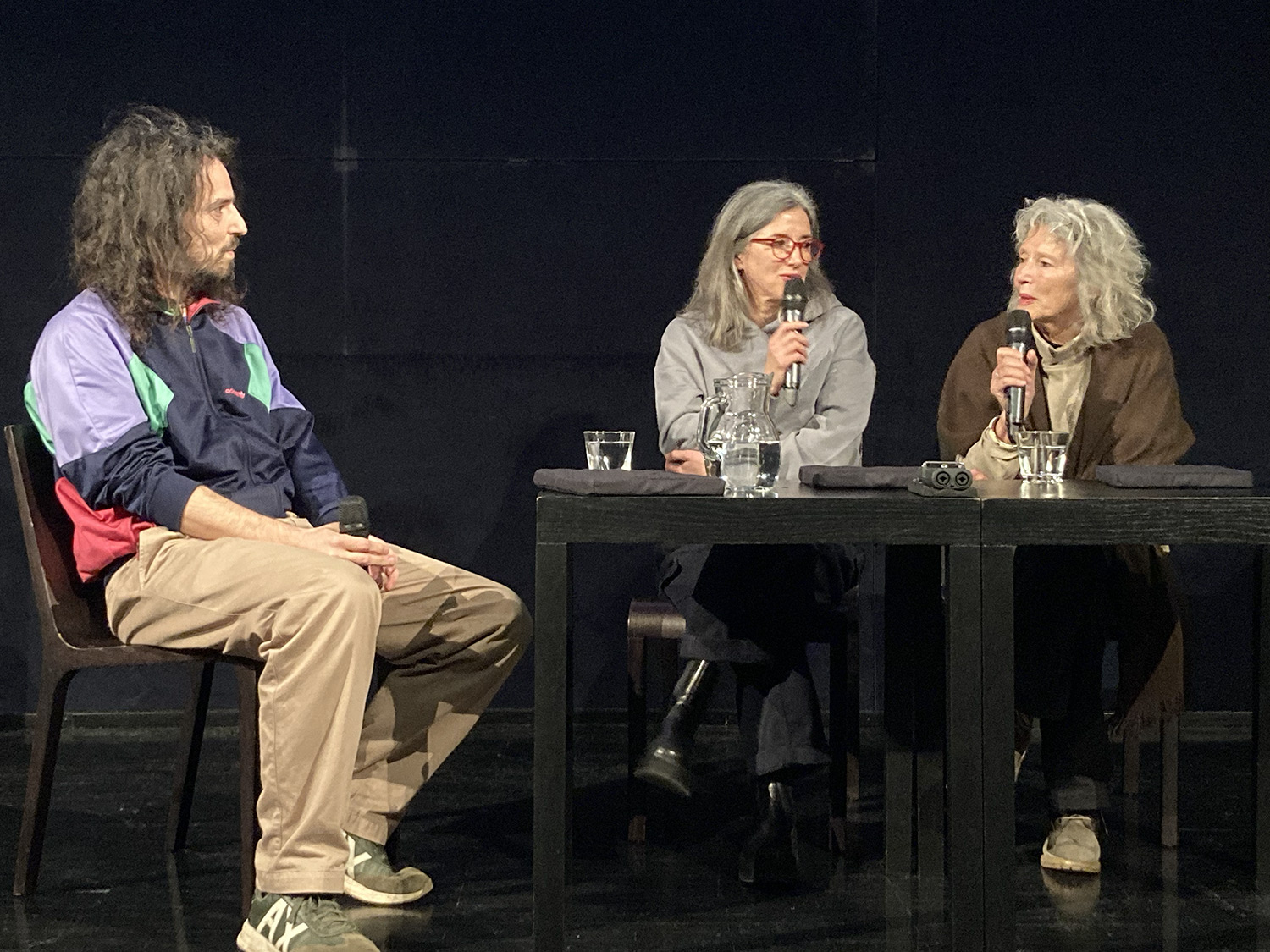
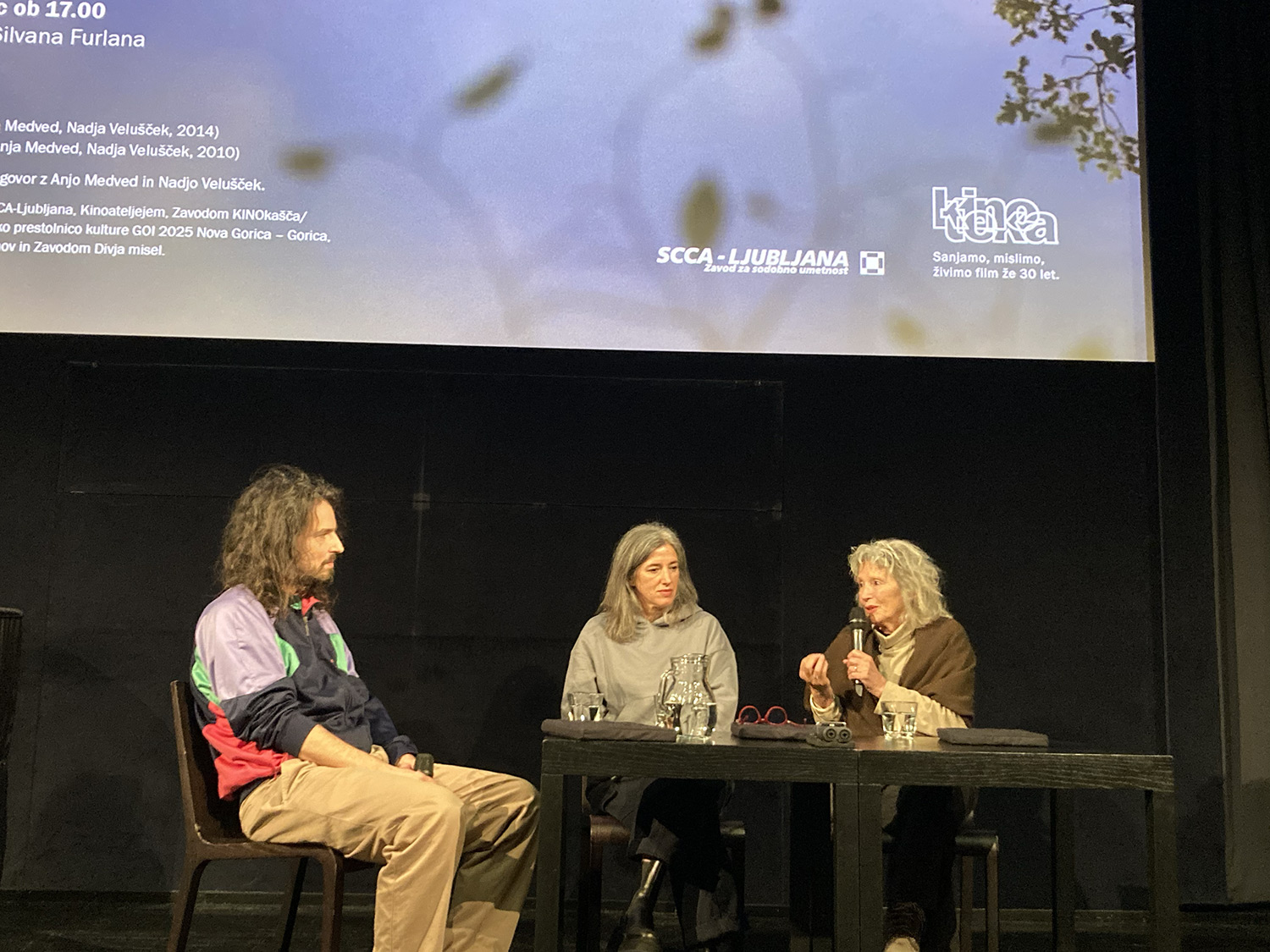
17 December 2025, photo: Kaia Grobovšek
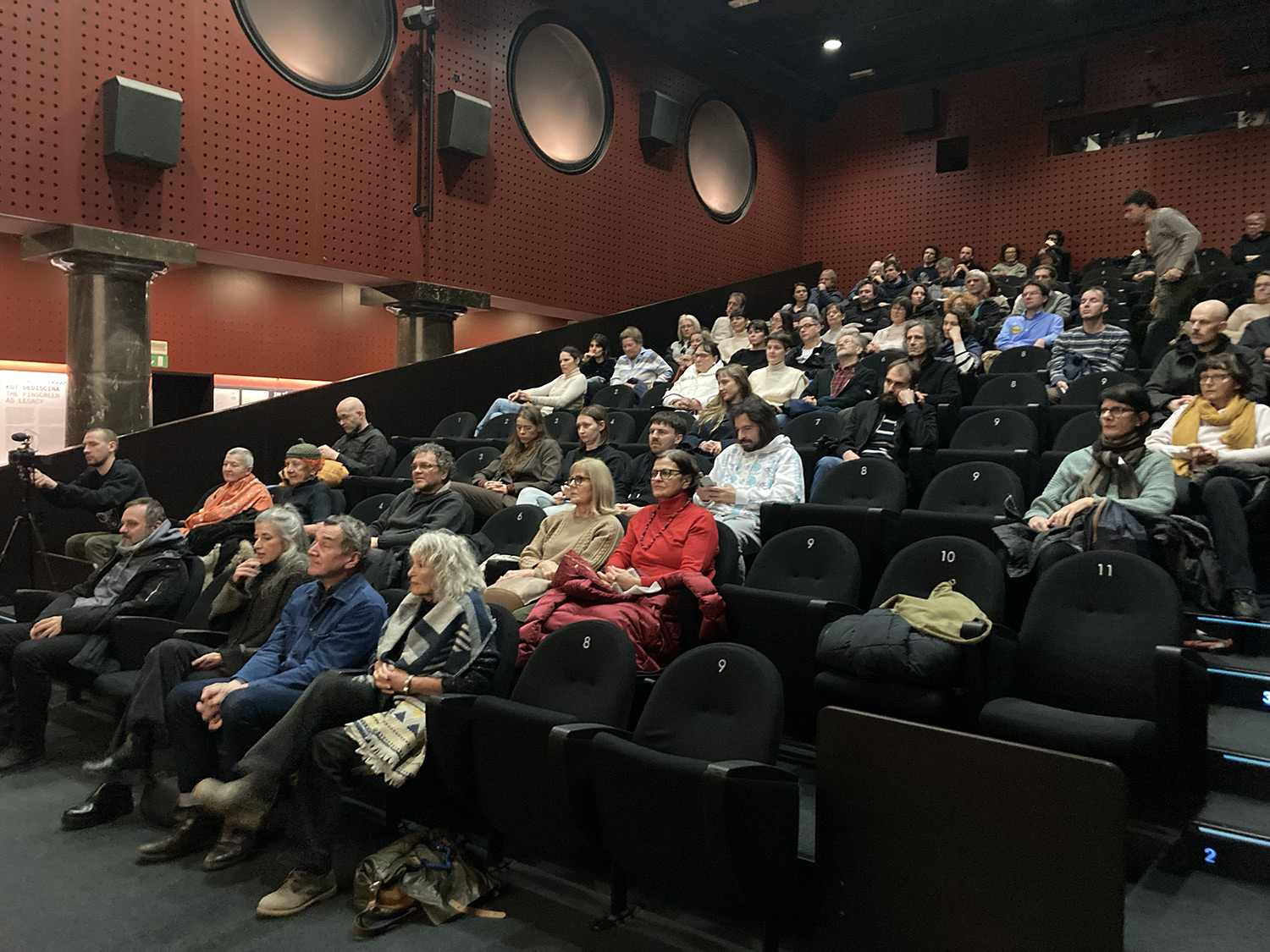
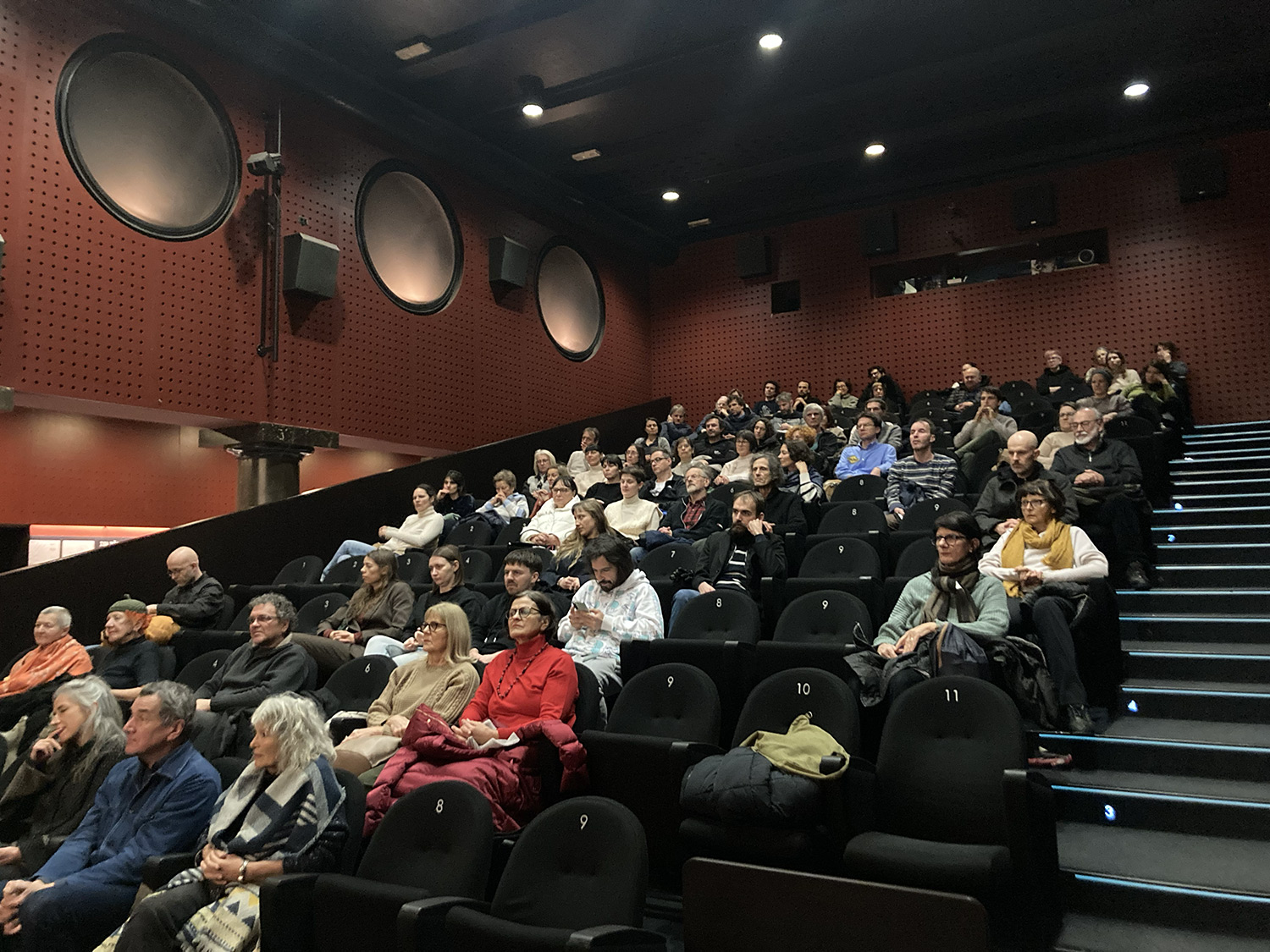
Zone of Transition II: Memory / Document
21 January 2026, photo: SCCA-Ljubljana archive
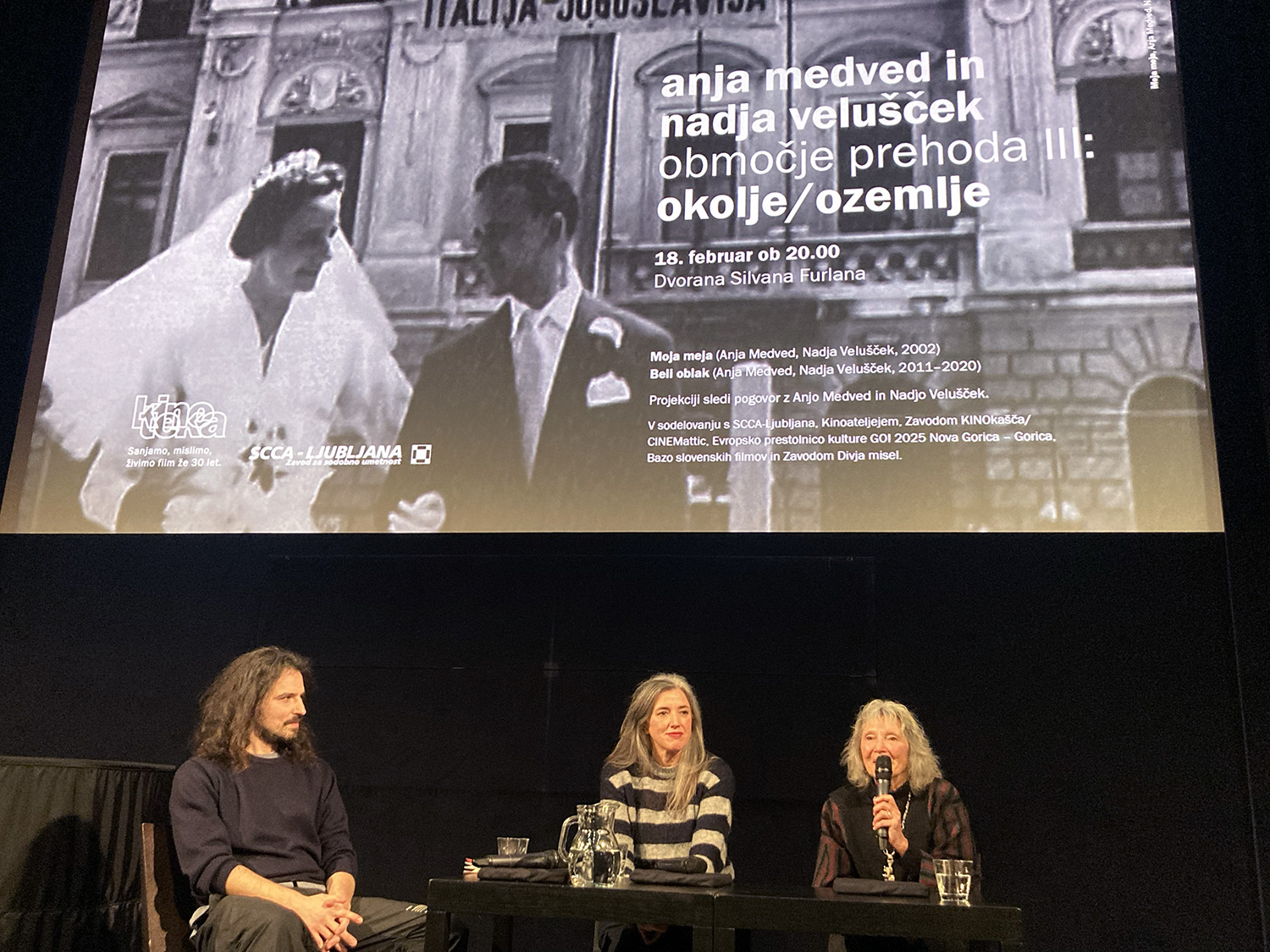
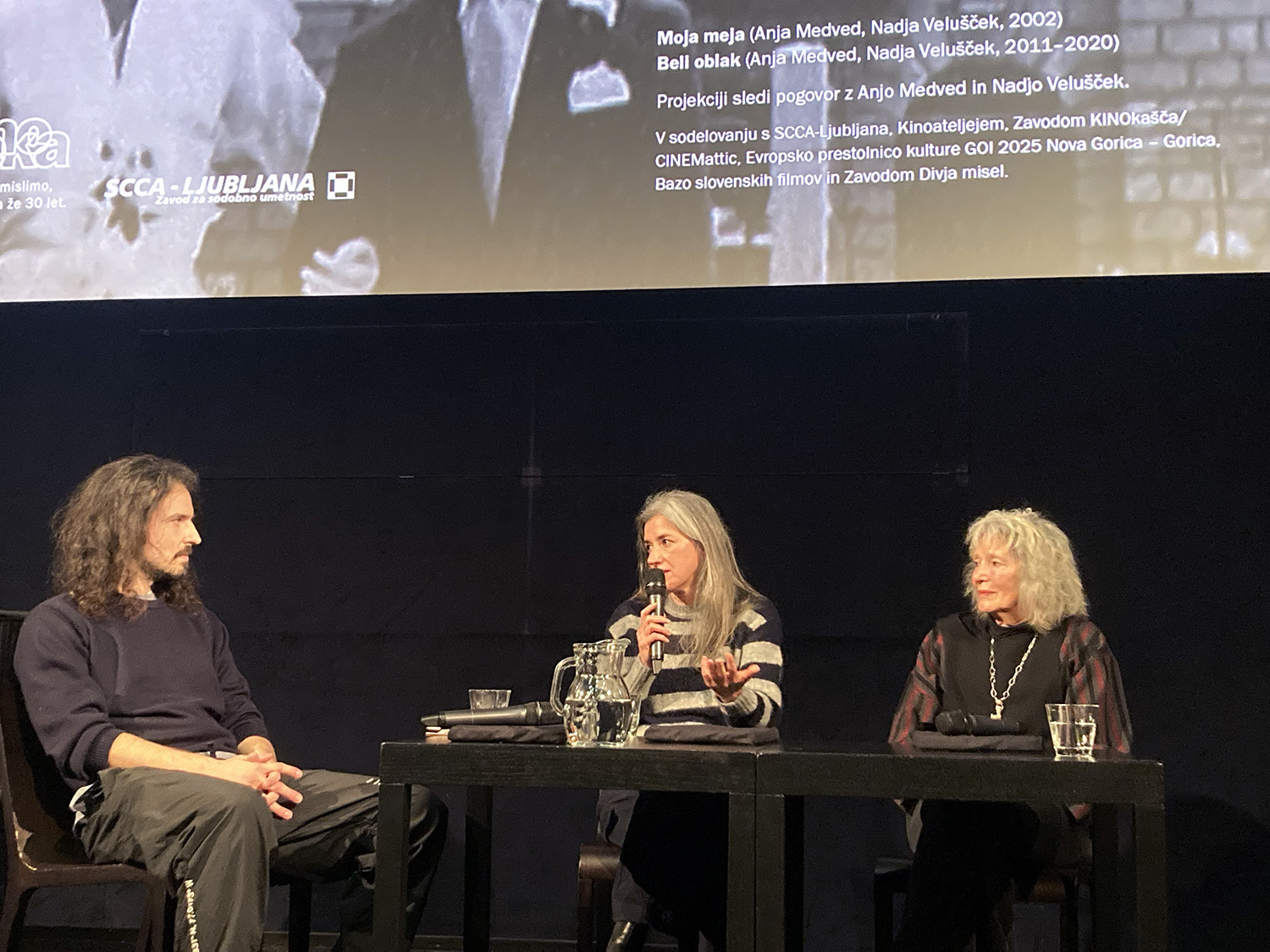
Zone of Transition III: Environment / Territory
18 February 2026, photo: SCCA-Ljubljana archive
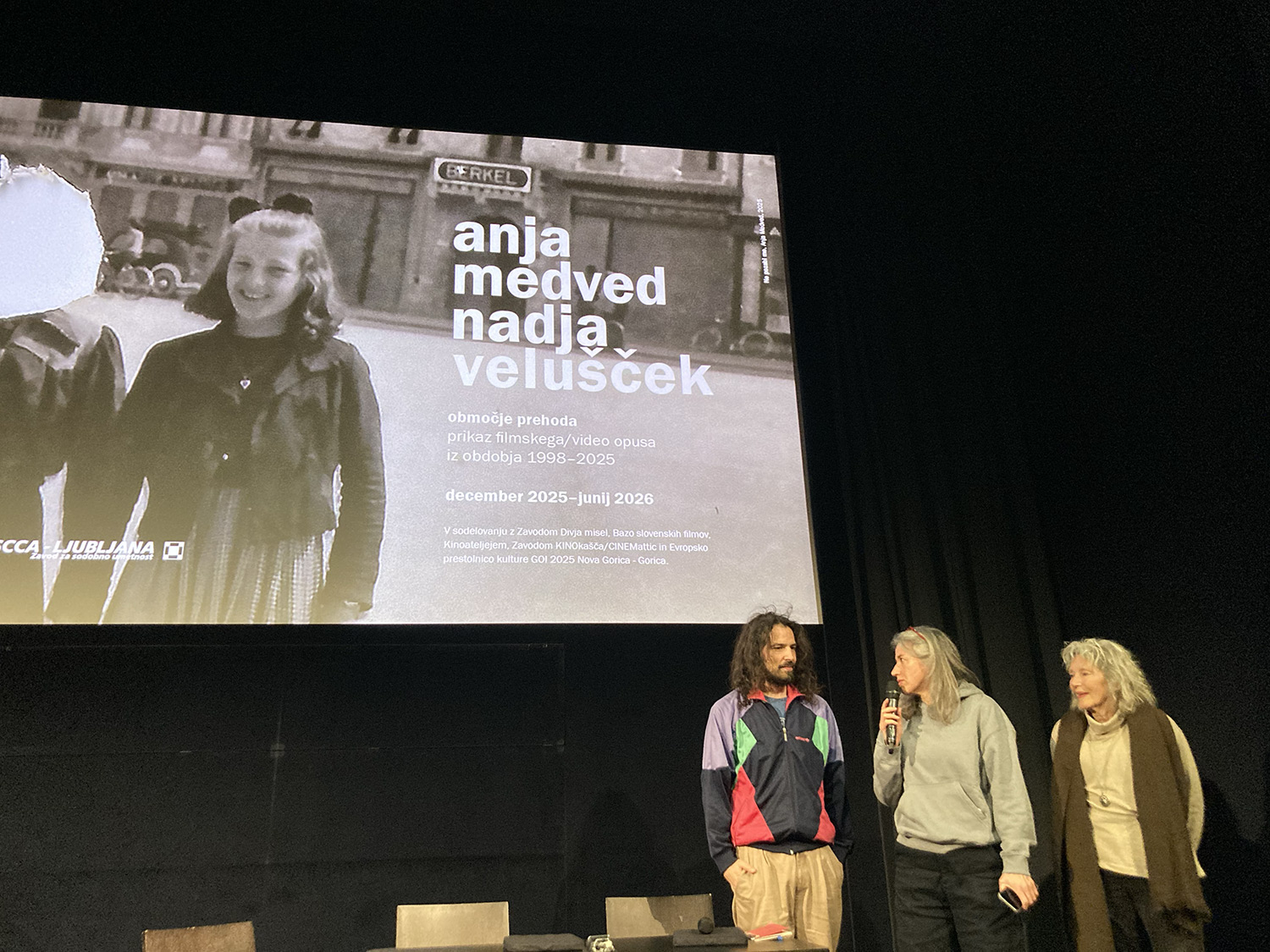
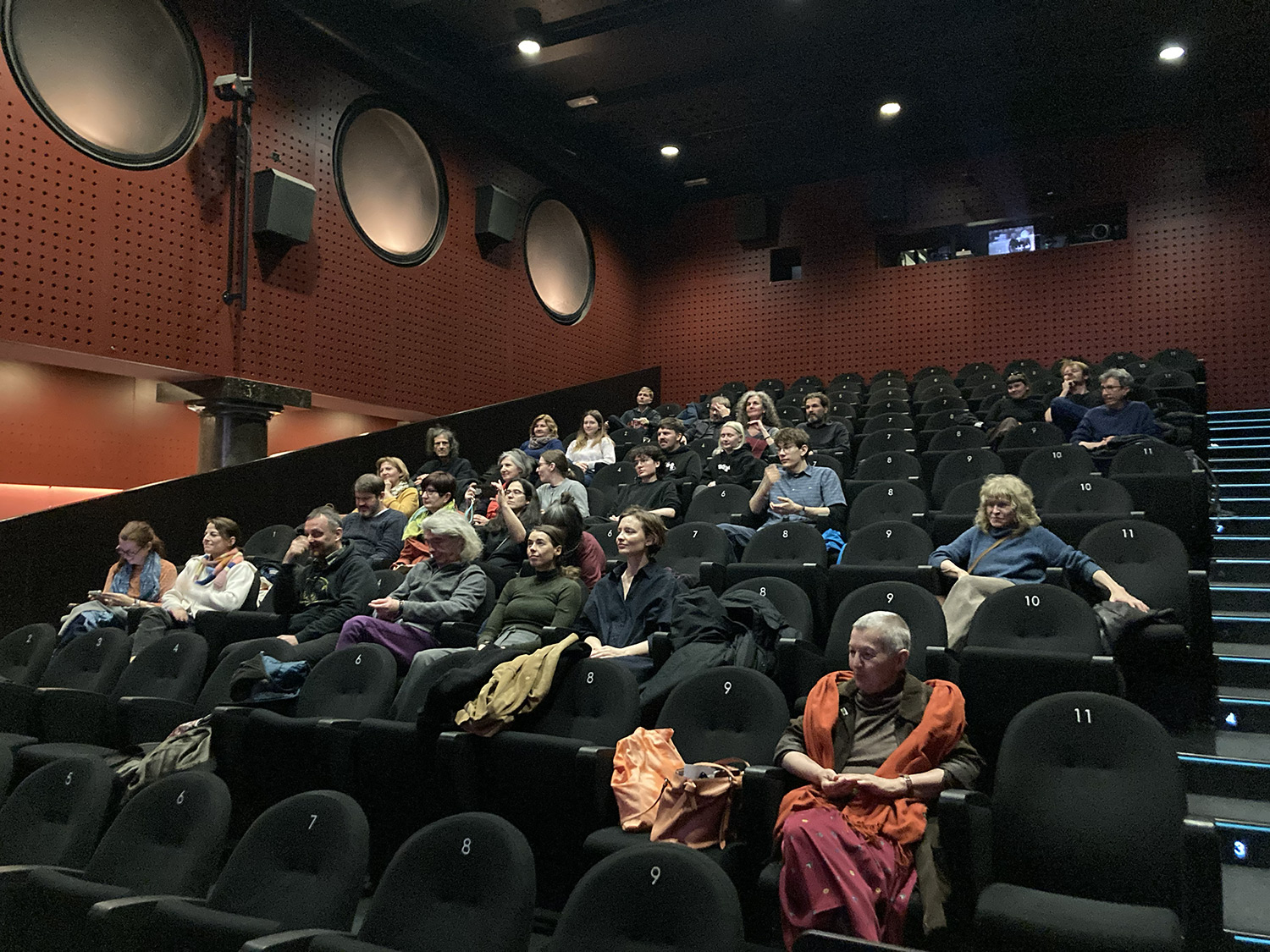
Zone of Transition IV: Water Level / Watercourse
24 March 2026, photo: SCCA-Ljubljana archive
Curators: Vesna Bukovec, Robert Kuret
Coproduction: SCCA-Ljubljana/DIVA Station and Slovenian Cinematheque
Partner: Slovenian Film Database (BSF), Zavod Kinoatelje (SLO), Kinoatelje (ITA), Zavod KINOkašča / CINEMattic, Zavod Divja misel (Vodnikova domačija), GO! 2025 Nova Gorica Gorizia
Supported by: Ministry of Culture of the Republic of Slovenia, City of Ljubljana – Department of Culture
Thanks: RTV Slovenija, Slovenski program RAI, Andrej Šprah, Vlado Škafar, Tina Popovič